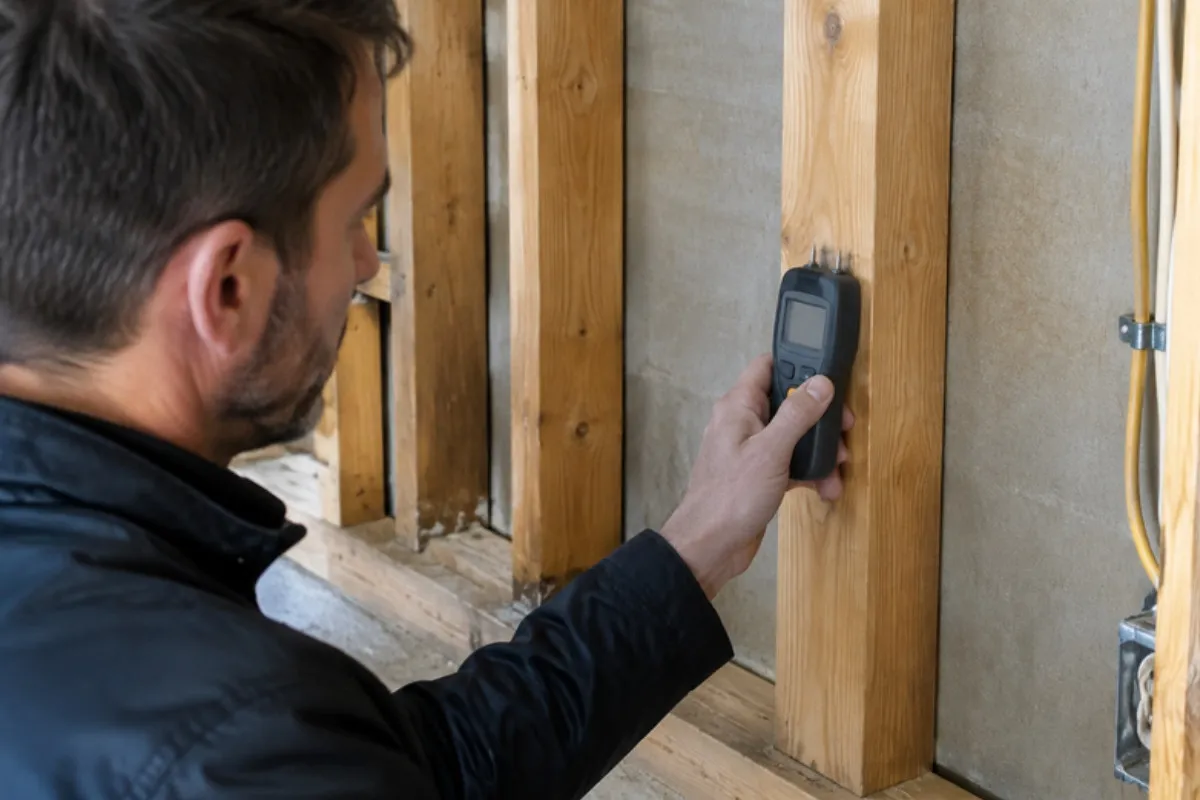
Post-remediation clearance testing in Snoqualmie verifies that flood or leak damage has been cleaned and dried before a basement, crawl space or wall is closed again. The assessor looks for remaining growth, checks moisture in wood and concrete, and samples where it helps. Call the number on this page to be connected with a local mold inspector in Snoqualmie.
How long after a Snoqualmie River flood should clearance wait?
Until the materials are dry, which after a major flood can take weeks. The city's flood report calls the November 1990 flood the worst in its known history, and January 2009 was the most recent major flood before 2025. In December 2025, provisional King County data show the Snoqualmie River near Snoqualmie peaking around 70,000 cfs, just below the 1990 peak, with a large area flooded. EPA advises treating any flooded home that couldn't be dried within 24 to 48 hours as having mold. A clearance check on wet framing will either fail or pass something that grows back.
Why do basements and crawl spaces get extra attention here?
The city's repetitive-loss analysis found basements and crawl spaces are the main foundation types in its flood-prone areas, and slabs are uncommon. It counts 373 properties in four repetitive-loss areas, where water collects on the flat valley floor and Kimball Creek backs up when the river is high. Those spaces hold moisture in joists, sill plates and the soil underneath. A careful assessor will take readings across the whole area, not just the spot that was cleaned. City guidance also warns that flood mud can carry sewage and chemicals, so any porous material that soaked in it should be gone before clearance, not cleaned and left.
My house is newer. Do I still need clearance?
Snoqualmie's median home was built around 2006, so many houses have modern materials. Newer construction still uses wood framing, paper-faced drywall and insulation that hold water, and tight building envelopes can slow drying. Age changes what the assessor checks, not whether a check is worth doing. If the furnace or ducts took on water, keep them off until a professional looks at them.
Rebuilding after the pass
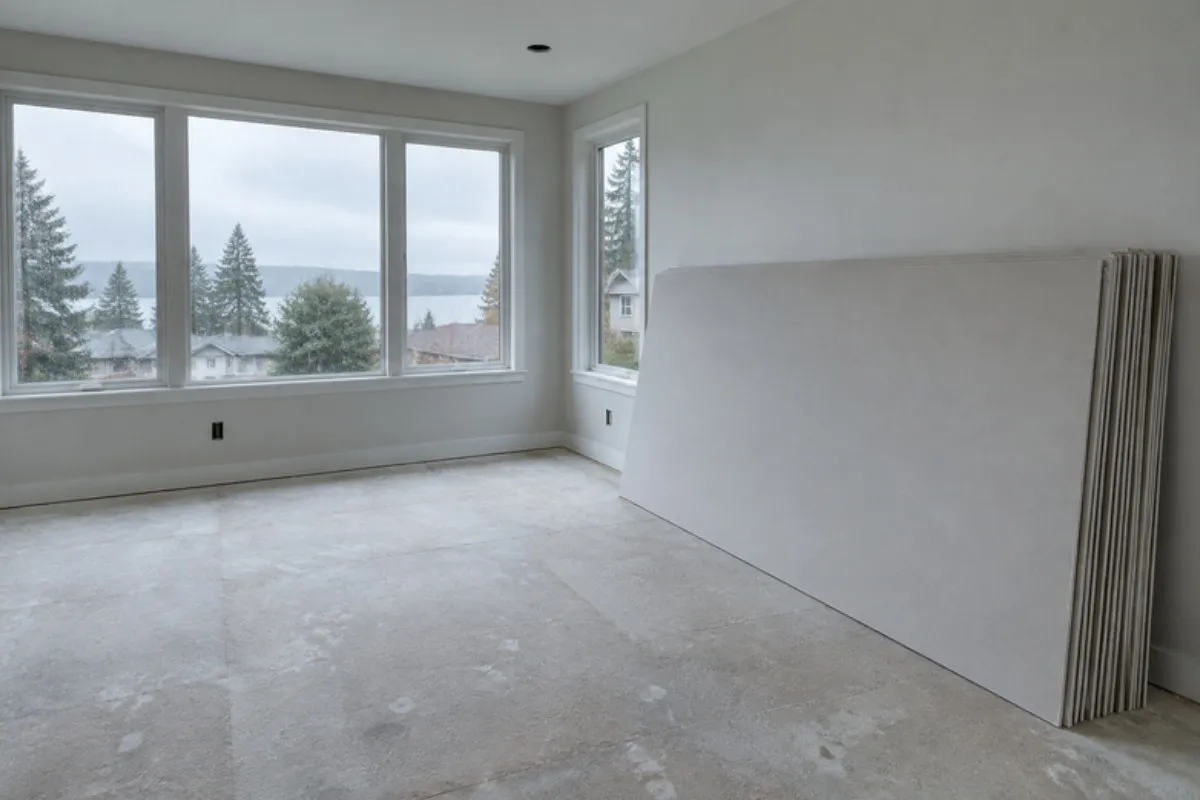
Once the area clears, rebuilding drywall, flooring or structural parts may need a permit from the City of Snoqualmie Building Division on SE River Street. The city notes that elevating homes has been the most common way of protecting houses here, and standard homeowner's policies do not cover flood damage, so keep the clearance report with any flood claim paperwork.
Post-Remediation Clearance Testing questions in Snoqualmie
How soon after a flood can a home be cleared?
Why does the assessor take moisture readings, not just samples?
Should the furnace run while remediation and clearance are underway?
What happens if the work area fails clearance?
More mold services in Snoqualmie
Post-Remediation Clearance Testing nearby
Helpful guides
Sources
- City of Snoqualmie: 2023-2024 Flood Report
- City of Snoqualmie: Repetitive Loss Area Analysis (2024 draft)
- King County: Snoqualmie-Skykomish 2025 flood overview (pdf)
- City of Snoqualmie: Building Division
- City-Data: Snoqualmie, WA housing
- EPA: Homeowner's and Renter's Guide to Mold Cleanup After Disasters (pdf)
- EPA: Mold Cleanup in Your Home
Last updated: