In Snoqualmie, mold remediation often follows flood water: most of downtown lies in the Snoqualmie River floodplain, and basements and crawl spaces are the common foundations in the city's repeat-flood areas. The job is to dry the structure, remove soaked materials and clean what remains. Call the number on this page to be connected with a local mold remediation company in Snoqualmie.
River water got into our crawl space. What now?
Snoqualmie's own flood report calls the November 1990 Snoqualmie River flood the worst in the city's known history, and January 2009 brought another major one. In the December 2025 atmospheric river flooding, provisional King County data shows the river near Snoqualmie peaking around 70,000 cubic feet per second, just below the 1990 peak. The city counts 373 properties in four repetitive-loss areas, where basements and crawl spaces are the main foundation types and slab foundations are uncommon. That matters because a crawl space holds water and damp air long after the river drops.
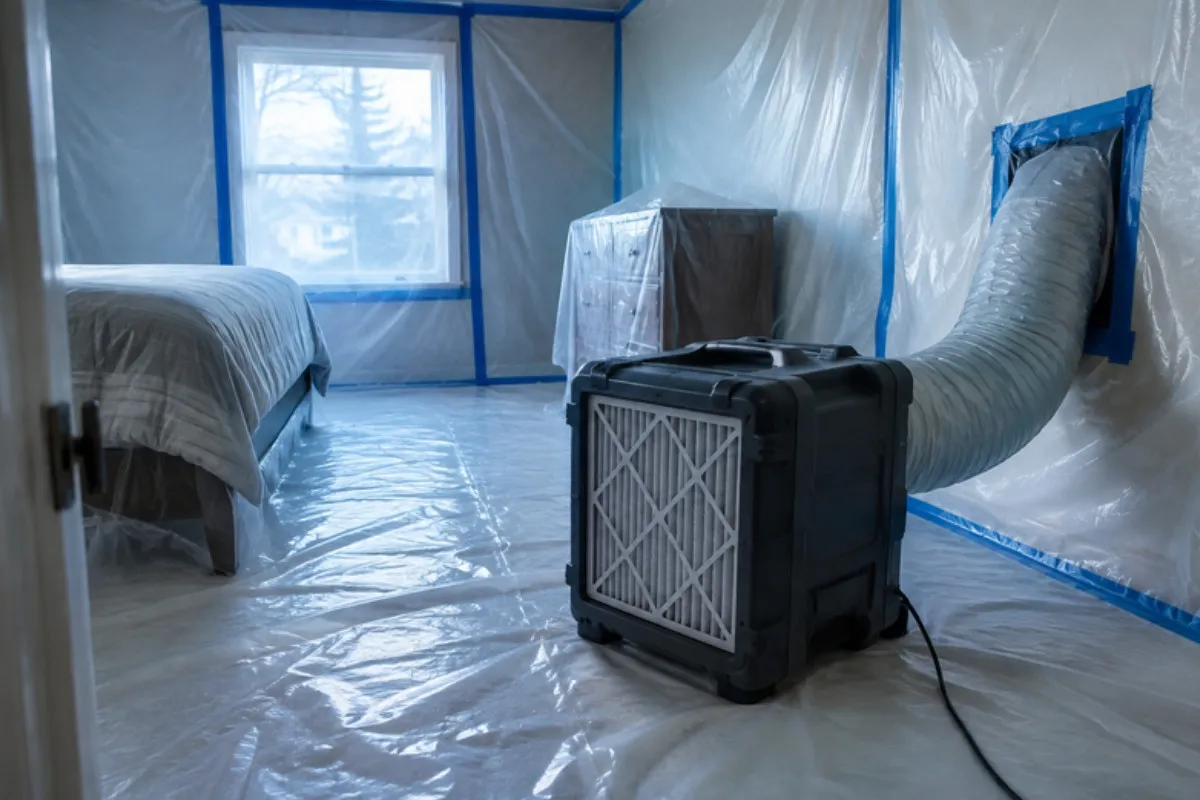
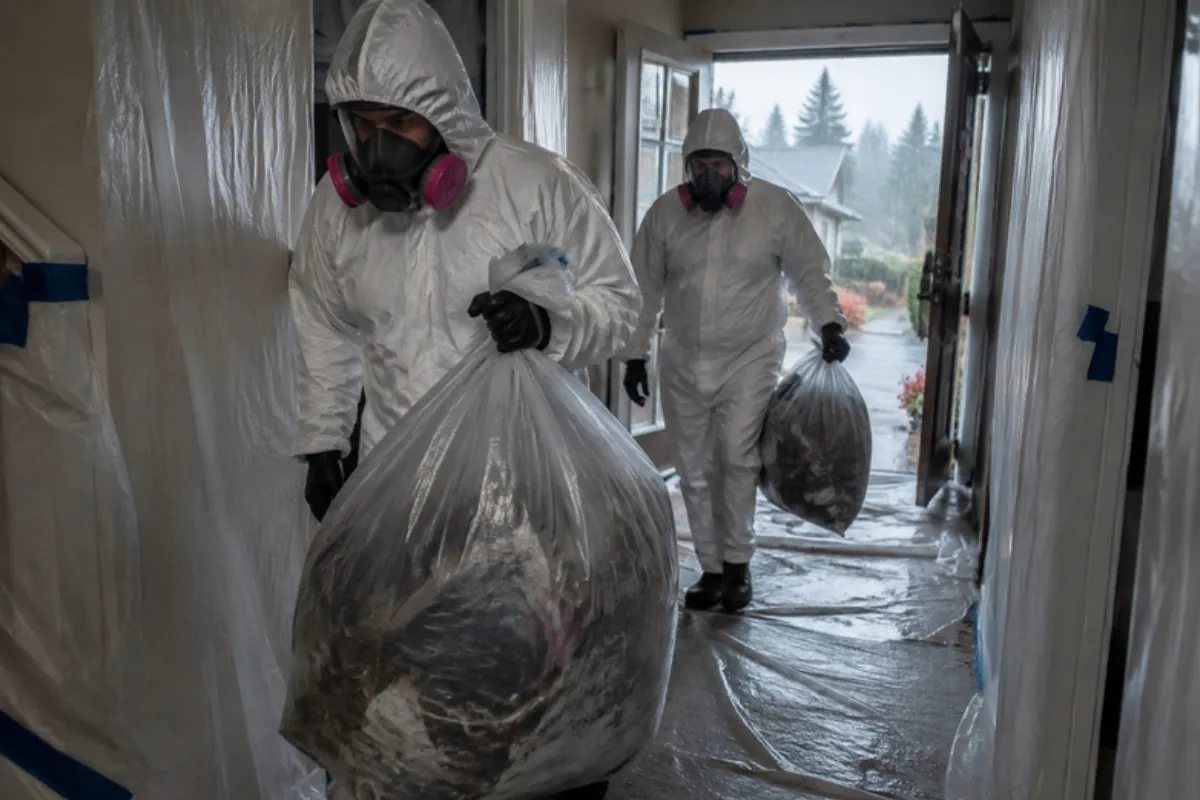
EPA's disaster guidance says to assume mold if a flooded space could not be dried within 24 to 48 hours. The city adds that flood mud can carry sewage and chemicals and that everything that got wet should be cleaned and disinfected. Wet insulation and vapor barrier usually come out; framing and joists are cleaned and dried, and moisture readings should confirm they are dry before anything new goes in.
Our house is fairly new. Can it still get mold?
Yes. The median Snoqualmie house was built around 2006, which is young by Puget Sound standards, but tight, well-sealed homes trap moisture from cooking, showers and drying laundry. Without steady ventilation, that shows up as condensation on window frames, in closets on north-facing walls, and on attic sheathing during cold months. Newer homes also tend to have more drywall and carpet in finished lower levels, which are the materials that have to be cut out once mold takes hold.
What about insurance and permits?
The city states plainly that standard homeowner's policies do not cover flood damage, so check whether you carry separate flood coverage before the work begins, and photograph everything first. Removal itself is not permitted work, but rebuilding walls, replacing structural members or raising a house is. Elevating homes has been the most common way Snoqualmie owners protect houses, and the City of Snoqualmie Building Division in the Community Development Department issues building permits for that and other rebuild work.
Kimball Creek
Kimball Creek, a Snoqualmie River tributary, runs through the city and backs up when the river is high, so homes along it can take water even when the main channel stays in its banks. If you are near the creek, ask the remediation company to check the crawl space after every high-water event, not just the big ones.
Mold Removal & Remediation questions in Snoqualmie
How quickly can mold start after a leak or flood?
Does homeowners insurance pay for mold remediation?
How long does mold remediation take?
Can the same company test for mold and remove it?
More mold services in Snoqualmie
Mold Removal & Remediation nearby
Helpful guides
Sources
- City of Snoqualmie: 2023-2024 Flood Report
- City of Snoqualmie: Repetitive Loss Area Analysis (draft 2024)
- King County: 2025 Snoqualmie-Skykomish flood overview (pdf)
- City-Data: Snoqualmie, WA houses
- City of Snoqualmie: Building
- EPA: Homeowner's and Renter's Guide to Mold Cleanup After Disasters (pdf)
- EPA: Mold Cleanup in Your Home
- Washington State Department of Health: Mold
Last updated: