In Snoqualmie, testing is most useful after a flood, to check wall cavities and crawl spaces that look dry and to confirm a cleanup before rebuilding. If a room stayed wet for more than a day or two, EPA says to assume mold has grown and plan the cleanup without waiting on a lab. Call the number on this page to be connected with a local mold inspector in Snoqualmie.
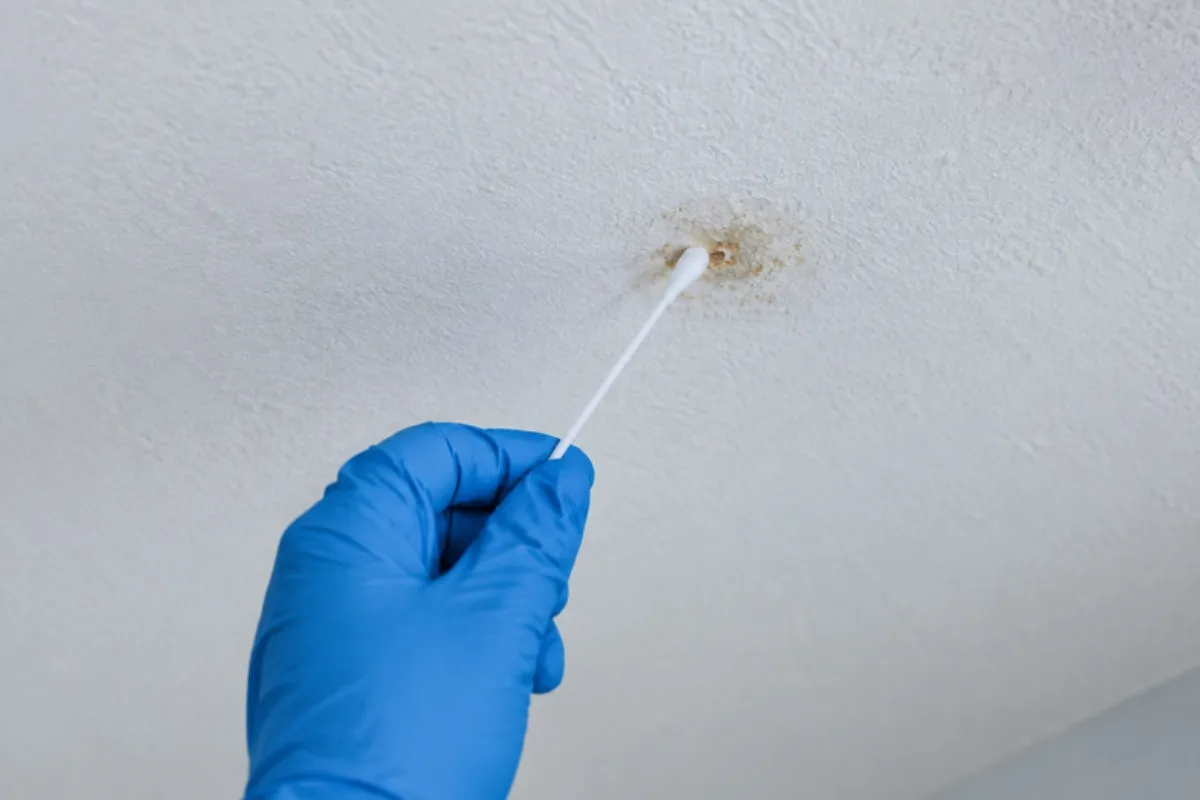
Do I need samples if the river came into my house?
Not to know mold is likely. EPA's disaster guide says a flooded home that could not be dried within 24 to 48 hours should be treated as having mold growth. Snoqualmie's own flood guidance adds that flood mud can carry sewage and chemicals, and Washington DOH advises hiring a professional for mold mixed with sewage. So the first steps are drying, removing soaked materials and cleaning. Sampling comes later, when you need to know whether hidden areas were missed.
Why are Snoqualmie homes harder to clear?
Most of downtown sits on the flat valley floor inside the Snoqualmie River floodplain, and Kimball Creek backs up when the river runs high. The city counts 373 properties in four repetitive-loss areas, where basements and crawl spaces are the main foundation types rather than slabs. Below-grade spaces hold water and dry slowly through a wet winter. The November 1990 flood remains the worst in the city's known history, the January 2009 flood was the last major one before 2025, and in December 2025 the river near Snoqualmie peaked around 70,000 cubic feet per second, just under the 1990 crest. Houses that have flooded more than once can carry damp framing from an earlier event behind newer finishes.
When does testing make sense here?
- Before closing up walls after flood cleanup, to check that cavities are dry and clean.
- When a musty smell returns weeks after cleanup with nothing visible.
- When an insurer, lender or buyer asks for documentation.
- When a newer home, and Snoqualmie's median home was built in 2006, smells damp in a crawl space after high water.
Moisture readings should come first. A sample from a wall that still reads wet tells you what you already know.
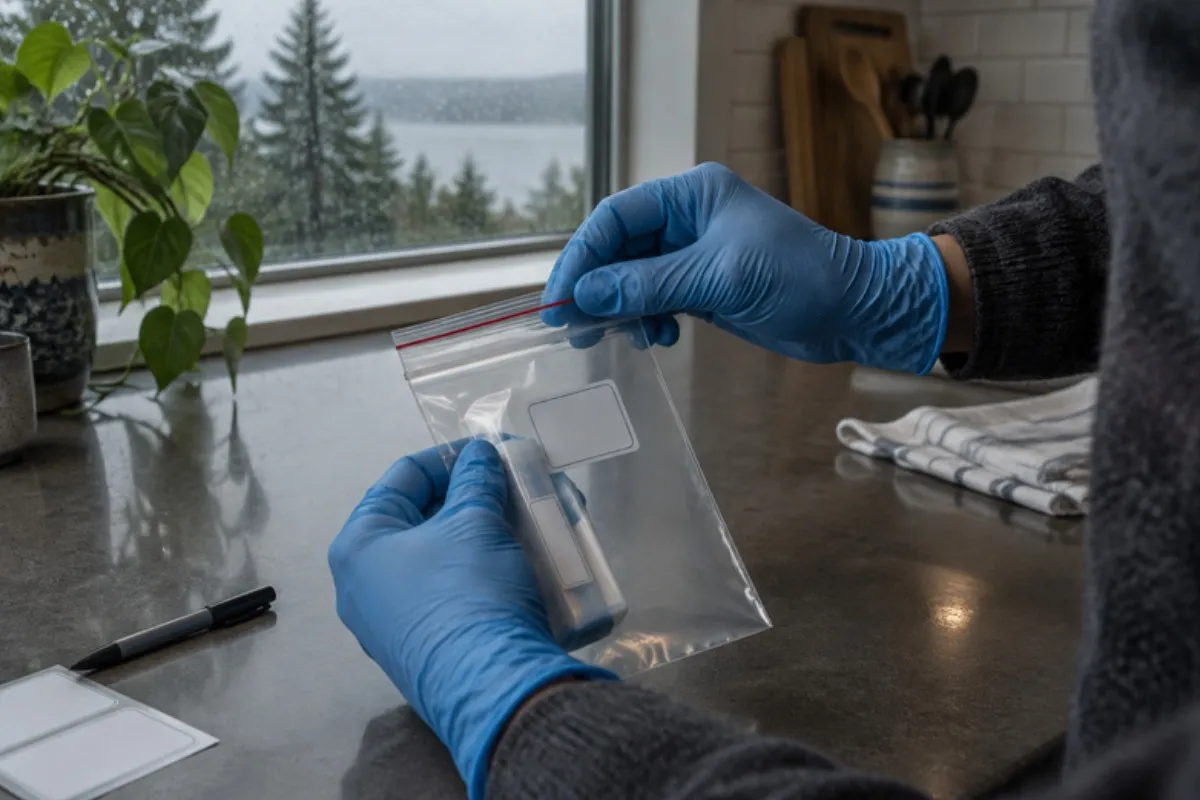
A local note on rebuilding
The City of Snoqualmie Building Division issues building permits, so check with it before replacing drywall or structural pieces after a flood. The city notes that elevating homes has been the most common way of protecting houses here, and that standard homeowner's policies do not cover flood damage, which makes clear records from a test and a cleanup worth keeping.
Mold Testing questions in Snoqualmie
Do I need a mold test after a flood?
Should I test again after the mold is removed?
Should the same company test for mold and remove it?
Will the county health department test my home for mold?
More mold services in Snoqualmie
Mold Testing nearby
Helpful guides
Sources
- City of Snoqualmie: 2023-2024 Flood Report
- City of Snoqualmie: Repetitive Loss Area Analysis (2024 draft)
- King County: Snoqualmie-Skykomish 2025 flood overview (pdf)
- City of Snoqualmie: Building Division
- City-Data: Snoqualmie, WA housing
- Washington DOH: Mold
- EPA: Homeowner's and Renter's Guide to Mold Cleanup After Disasters (pdf)
- EPA: Mold Information Slideshow (testing and sampling)
- Angi: How to Hire a Mold Remediation Company (separate testing and remediation)
- King County Directory: Indoor air quality and mold consultations
- Public Health - Seattle & King County: Mold
Last updated: