In Snoqualmie, crawl space mold often follows high water: much of downtown lies in the Snoqualmie River floodplain, and flood-prone homes mostly sit on crawl spaces or basements. Cleanup means removing soaked insulation and debris, cleaning the framing and drying it fully before anything is closed up. Call the number on this page to be connected with a local mold remediation company in Snoqualmie.
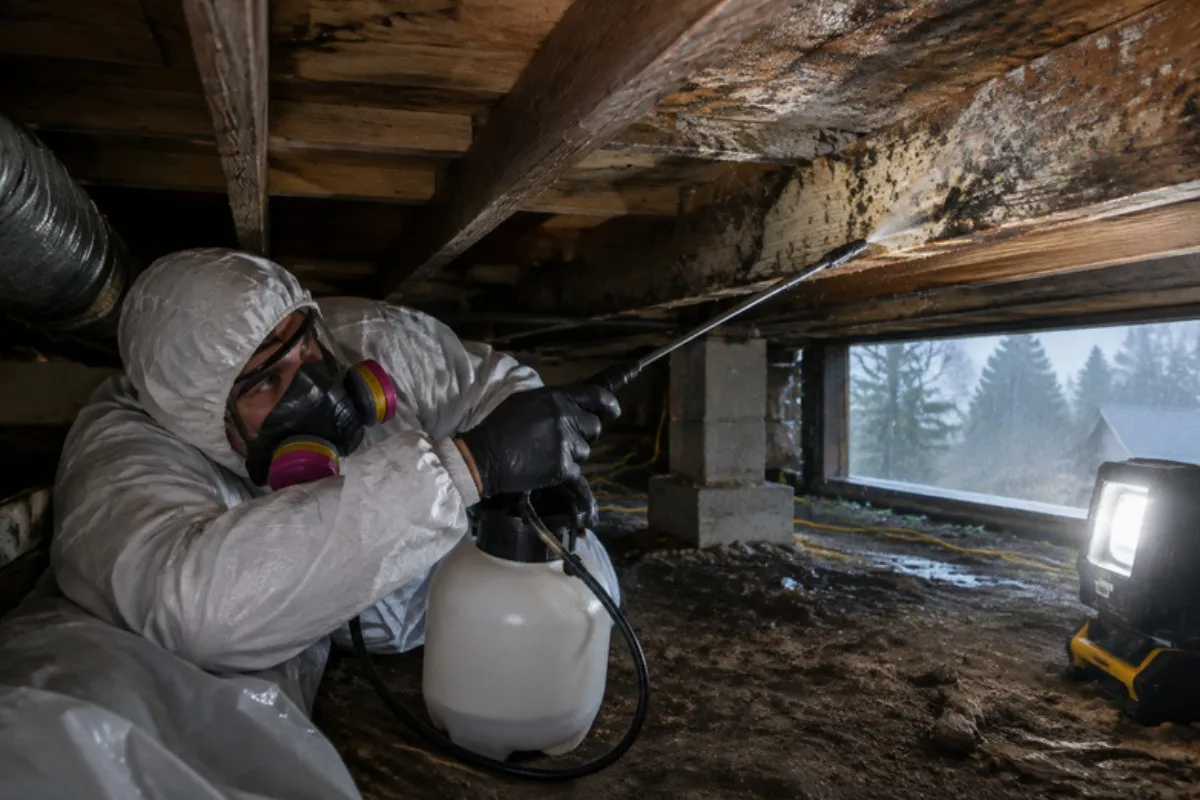
Floodwater got under my house. How soon does mold start?
Fast. EPA's post-disaster guide says that if a flooded home could not be dried within 24 to 48 hours, you should assume mold is growing. Snoqualmie has a long record of this. The city calls the November 1990 Snoqualmie River flood the worst in its known history, January 2009 brought another major flood, and in December 2025 the river near Snoqualmie peaked around 70,000 cubic feet per second, just below the 1990 mark, according to provisional King County data. A city analysis counts 373 properties in four repetitive-loss areas, and notes that in those areas basements and crawl spaces are the main foundation types while slabs are uncommon. That puts the space under the floor squarely in the path of floodwater.
What has to come out, and what can stay?
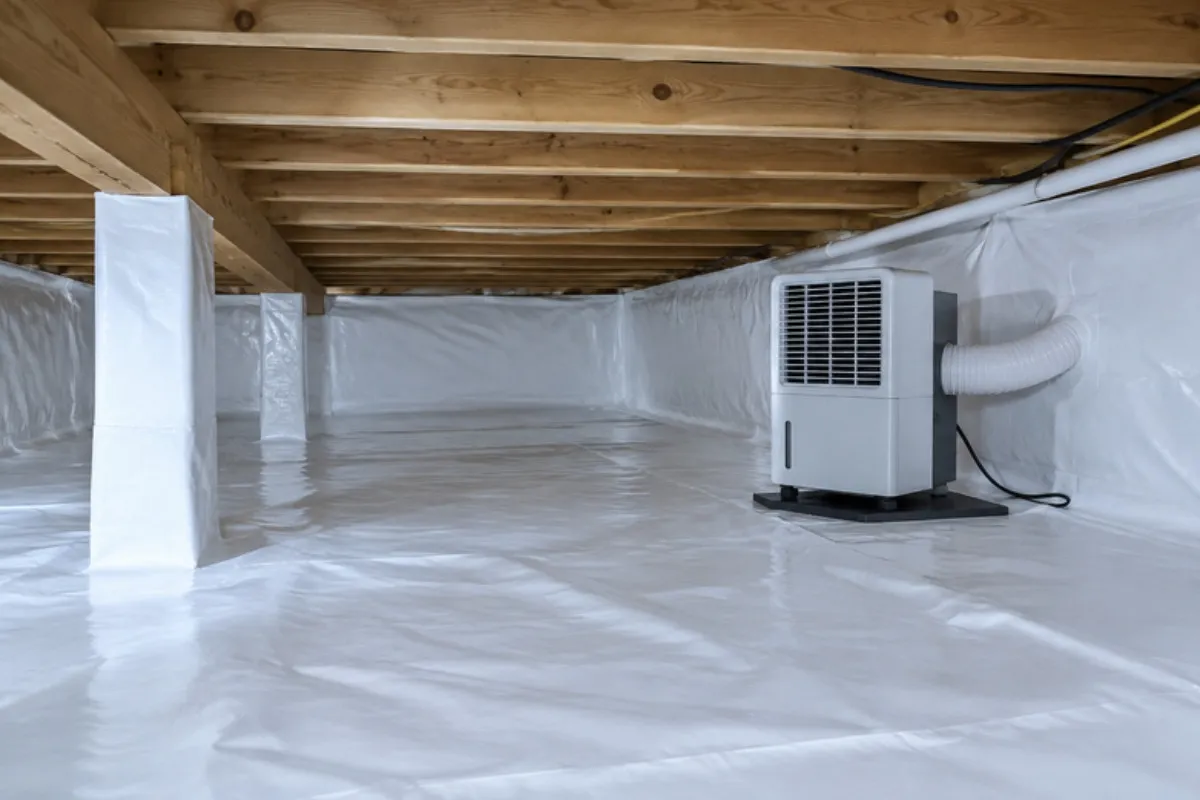
Insulation that sat in floodwater, cardboard, stored items and the old ground cover usually go. The city warns that flood mud can carry sewage and chemicals and tells residents to clean and disinfect everything that got wet, and Washington DOH suggests a professional when mold is contaminated by sewage. Solid framing can usually be cleaned and dried rather than replaced. Make sure moisture readings show the joists and subfloor are dry before new insulation or plastic goes in.
My house is fairly new. Am I safe from this?
Not necessarily. The median Snoqualmie home was built around 2006, so many houses are newer, but the flat valley floor collects water no matter the age of the house, and Kimball Creek backs up when the river runs high. Newer homes can also trap moisture if gutters drain toward the foundation or a crawl space vent is buried by landscaping. If your home was elevated, which the city says has been the most common way of protecting houses here, check the space under it after every big storm.
Permits and flood coverage
Rebuilding after flood damage, such as replacing subfloor or framing, goes through the City of Snoqualmie Building Division on SE River Street. The city also points out that a standard homeowner's policy does not cover flood damage, so check whether you carry separate flood coverage before work starts.
Crawl Space Mold Removal questions in Snoqualmie
Floodwater got into my crawl space. What should happen next?
Does the insulation under my floor have to come out?
How long does crawl space mold work take?
Will homeowners insurance pay for crawl space mold?
More mold services in Snoqualmie
Crawl Space Mold Removal nearby
Helpful guides
Sources
- City of Snoqualmie: 2023-2024 Flood Report
- City of Snoqualmie: Draft 2024 Repetitive Loss Area Analysis
- King County: Snoqualmie-Skykomish December 2025 flood overview (pdf)
- City-Data: Snoqualmie housing
- City of Snoqualmie: Building
- EPA: Homeowner's and Renter's Guide to Mold Cleanup After Disasters (pdf)
- Washington State Department of Health: Mold
Last updated: