In Issaquah, crawl space mold often follows Issaquah Creek flooding, which has reached basements and ground-floor homes along the creek, or the long wet season under the Issaquah Alps. Removal means drying the space, cleaning the framing and replacing wet insulation, which the city says needs a building permit after a flood. Call the number on this page to be connected with a local mold remediation company in Issaquah.
Signs under the floor
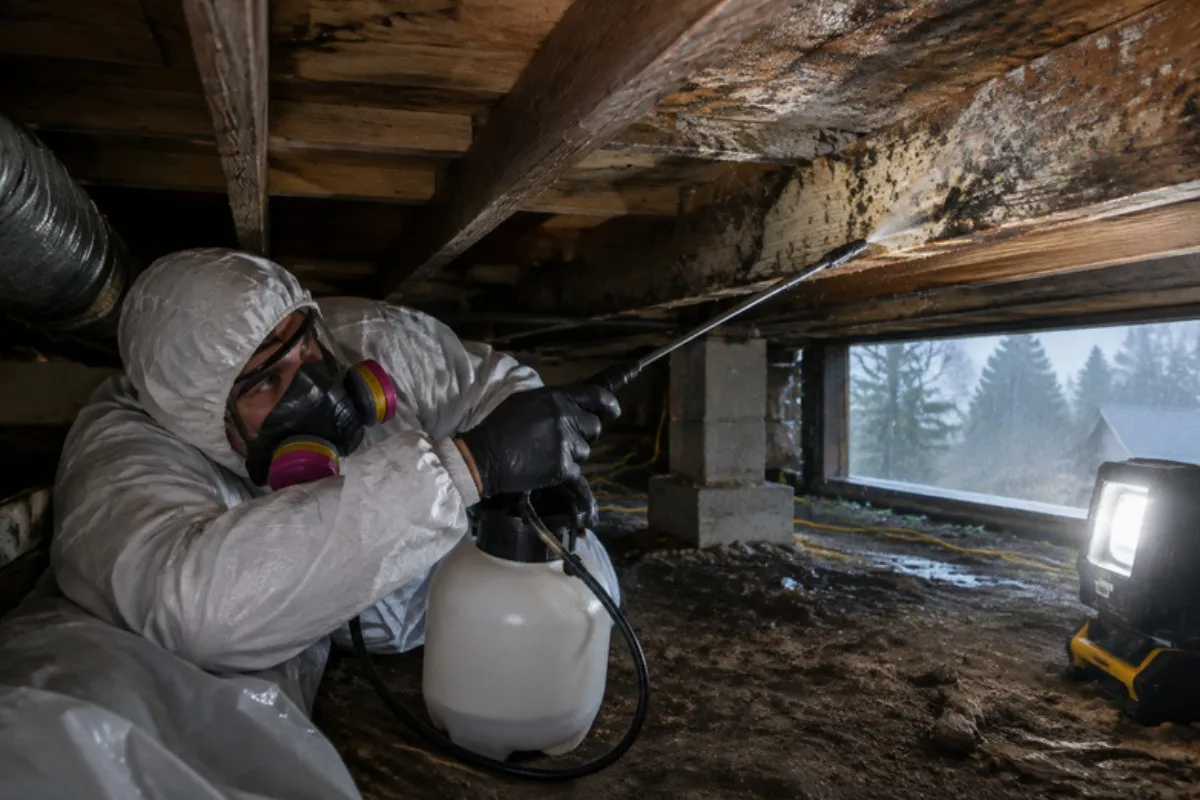
- Musty air on the ground floor that clears when windows are open and returns when they close
- Mud, silt or a high-water mark inside the crawl space after the creek rose
- Insulation that drips, sags or lies on the ground
- Fuzzy or spotted growth on joists, especially near vents and the rim
- Cupping hardwood or a soft spot in the floor above
Issaquah Creek and crawl spaces
Issaquah sits about 16 miles east of Seattle at the south end of Lake Sammamish, ringed by the Issaquah Alps. King County says Issaquah Creek creates an urban flood hazard area as it flows through the city, and the creek has proven it. In February 2020, Eastside Fire evacuated more than 200 people from three flooded apartment complexes, and water reached Gilman Village, backyards, basements and first-floor condos along the creek. In January 2022, snowmelt and heavy rain pushed the creek into Old Town and along Front Street North, and the East Fork overflowed at NE Dogwood Street. The city set up a December 2025 Flooding page with cleanup guidance and flood clean-up kits. The city tracks creek levels with a flood phase chart tied to a gauge upstream at Hobart.
Away from the creek, housing is fairly new, with a median build year of 2002, but newer construction doesn't keep a crawl space dry by itself. Hillside homes in places like the Issaquah Highlands can still pick up groundwater, and a vented space breathes wet air from fall through spring.
Cost and permits
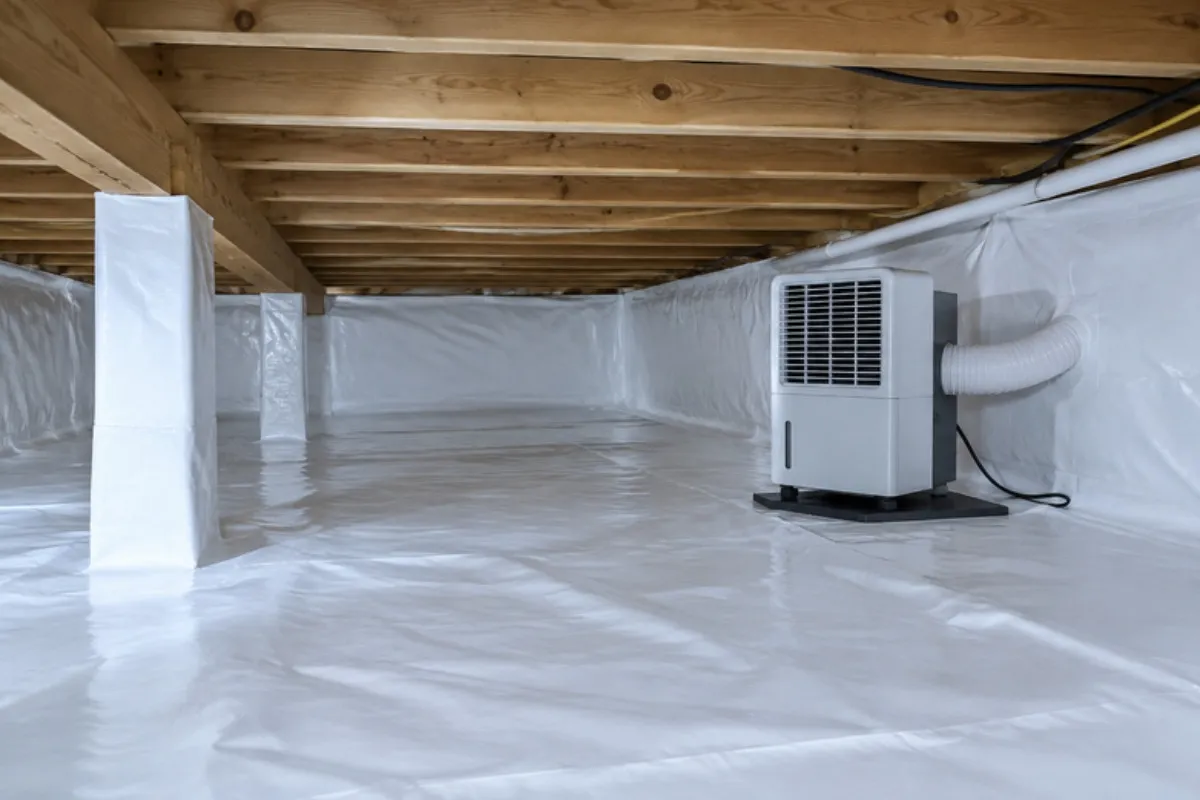
Angi's Seattle cost guide lists crawl space mold work at $425 to $1,650; HomeGuide's 2026 national range is $1,500 to $4,000. Flood silt, the amount of insulation to replace and any drainage or ground cover work push the number up. One local detail matters: after the December 2025 flooding, the city said replacing drywall and insulation normally needs a building permit through Community Planning & Development, and it publishes a Flood Damage Permit Guide. Ask your contractor who pulls that permit before new batts go in.
After you call
The call connects you with an independent local remediation company; this site does no work itself. Expect questions about creek flooding and access, then a visit with moisture readings and a written scope. Washington has no state mold license or certification, so verify the company's registration on L&I's Verify a Contractor tool.
Crawl Space Mold Removal questions in Issaquah
What should I do after floodwater gets into the crawl space?
Do I need a permit for repairs after crawl space mold removal?
I rent. Who deals with a wet, moldy crawl space?
What does crawl space mold removal cost?
More mold services in Issaquah
Crawl Space Mold Removal nearby
Helpful guides
Sources
- Wikipedia: Issaquah, Washington
- King County: Flooding in the Sammamish watershed
- KVAL: 200 people evacuated from 3 Issaquah apartments after major flooding
- KOMO: Issaquah Creek overflows banks
- City of Issaquah: December 2025 Flooding
- City-Data: Issaquah, WA houses
- City of Issaquah: Code Enforcement
- Angi: How Much Does Mold Remediation Cost in Seattle, WA?
- HomeGuide: How Much Does Mold Removal and Remediation Cost? (2026)
- L&I: Verify a Contractor, Tradesperson or Business
- EPA: Homeowner's and Renter's Guide to Mold Cleanup After Disasters (pdf)
- RCW 59.18.060: Landlord, Duties
Last updated: