Issaquah Creek runs through the middle of town and has flooded basements and ground-floor units along its banks, while homes in the hills deal with groundwater and condensation. Remediation means drying the space, removing soaked drywall, insulation and flooring, and cleaning the structure before rebuilding. Call the number on this page to be connected with a local mold remediation company in Issaquah.
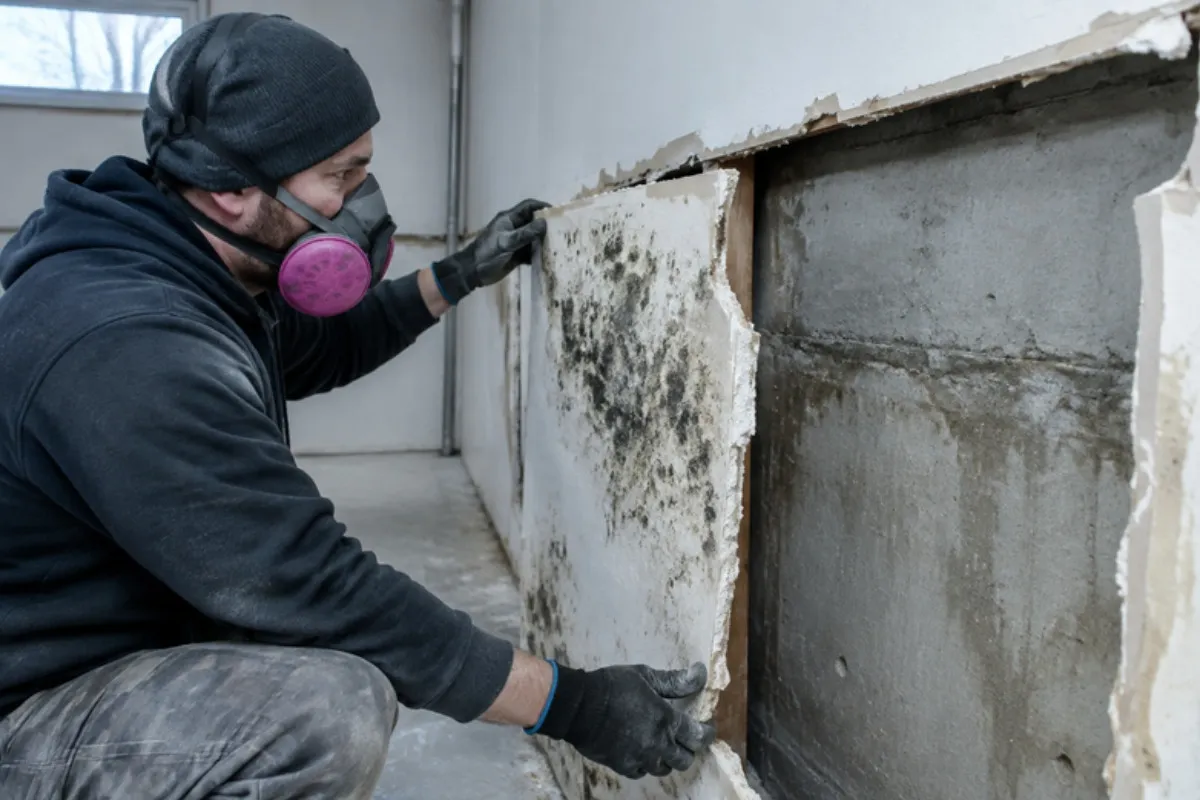
Signs to look for
- A musty smell in a lower-level condo, garden apartment or basement rec room
- A water line or stain on drywall left by creek flooding
- Carpet that never quite dried after a storm
- Spotting on baseboards, the backs of cabinets or stored boxes
- Condensation on cold walls and windows through the winter
Issaquah conditions
Issaquah sits at the south end of Lake Sammamish, about 16 miles east of Seattle, ringed by the Issaquah Alps. Issaquah Creek and its East Fork run right through town, and King County calls the creek corridor an urban flood hazard area. The record shows why. In February 2020 more than 200 people were evacuated from three flooded apartment complexes, and floodwater reached Gilman Village, backyards, basements and first-floor condos along the creek. In January 2022 snowmelt and heavy rain sent the creek over its banks in Old Town and along Front Street North, and the East Fork overflowed at NE Dogwood Street. After the December 2025 flooding the city handed out cleanup kits and pointed residents to Crisis Cleanup for volunteer help that included mold mitigation.
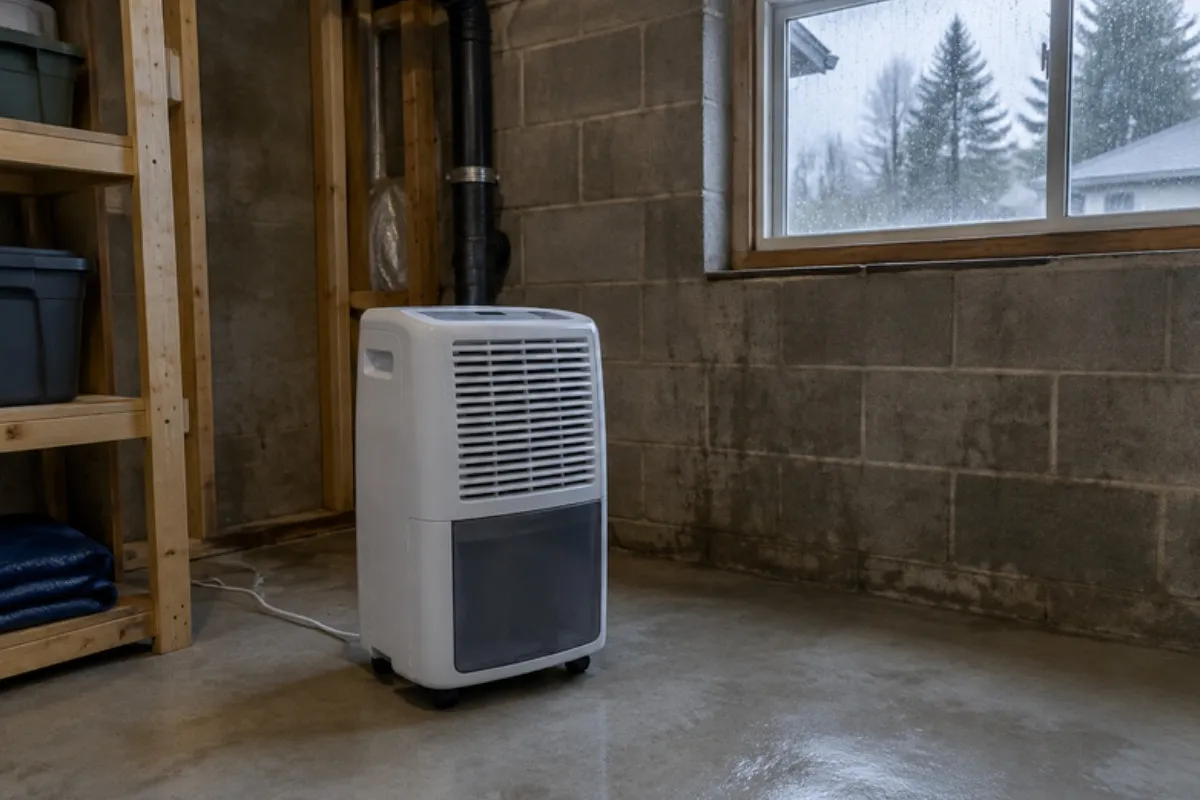
The housing is fairly new, with a median build year of 2002, but newer construction still grows mold when a lower level stays wet. Homes up in the hills, such as the Issaquah Highlands, face the slower kind of moisture: groundwater on below-grade walls and winter condensation.
What affects the cost
Angi's Seattle cost guide puts basement mold remediation at $425 to $2,475. HomeGuide's 2026 national ranges are $1,500 to $6,000 for part of a basement and $6,000 to $15,000 for all of it. Creek water usually means wet drywall and insulation have to come out, which raises the bill, and so does the rebuild. Issaquah says replacing drywall and insulation after flooding needs a building permit through Community Planning & Development, and it publishes a Flood Damage Permit Guide.
What happens when you call
You'll be connected with an independent remediation company; this site doesn't perform the work. Mention whether creek water came in and when, and whether you own or rent. The company should map moisture, explain what has to be removed and give a written scope. Washington has no state mold license or certification, so confirm the company's registration with Washington L&I on the Verify a Contractor tool. Renters should know the city's Code Enforcement Division handles dangerous or substandard buildings but doesn't enforce tenant-landlord issues.
Basement Mold Removal questions in Issaquah
What should I do after floodwater gets into the basement?
Do I need a permit to rebuild after basement mold removal?
Does the drywall in my finished basement have to come out?
Should the same company test and remove the mold?
More mold services in Issaquah
Basement Mold Removal nearby
Helpful guides
Sources
- Wikipedia: Issaquah, Washington
- King County: Flooding in the Sammamish watershed
- KVAL: 200 people evacuated from 3 Issaquah apartments after major flooding
- KOMO: Issaquah Creek overflows banks
- City of Issaquah: December 2025 Flooding
- City-Data: Issaquah, WA houses
- City of Issaquah: Code Enforcement
- Angi: How Much Does Mold Remediation Cost in Seattle, WA?
- HomeGuide: How Much Does Mold Removal and Remediation Cost? (2026)
- L&I: Verify a Contractor, Tradesperson or Business
- EPA: Homeowner's and Renter's Guide to Mold Cleanup After Disasters (pdf)
Last updated: