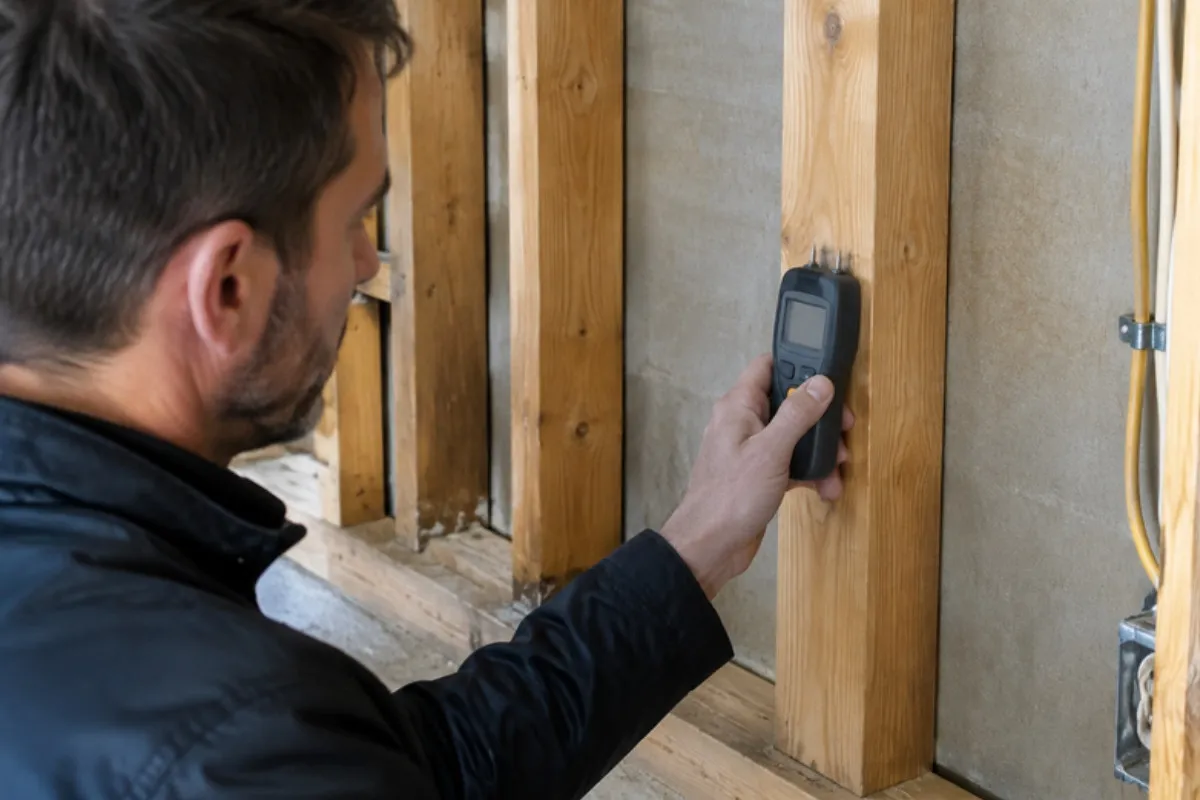
Clearance testing in Lakewood confirms that a remediated area has no remaining growth or settled debris and that framing and subfloor are dry enough to rebuild. An independent assessor usually handles it, using moisture readings and, where useful, surface or air samples. Call the number on this page to be connected with a local mold inspector in Lakewood.
Why drying gets scrutiny in Lakewood
Lakewood is a city of lakes. American Lake, Lake Steilacoom, Gravelly Lake, Lake Louise and Waughop Lake all sit inside its limits, and Chambers Creek drains Lake Steilacoom toward Chambers Bay. The city says updated flood maps show a 1 percent annual-chance flood risk along Clover Creek in the Springbrook and Hillside neighborhoods. Pair that with gray, damp months from fall into spring and a cleaned crawl space or wall cavity can take far longer to dry than the remediation schedule assumed. Rentals have drawn attention as well: KIRO 7 reported on families at Pacific Walk Townhomes who said apartment mold made their children sick, and the county health department said it was seeing more complaints like it.
Two ways to run clearance
| Approach | What it shows | Best fit |
|---|---|---|
| Visual check with moisture readings | No visible growth or dust, materials dry | Small, open jobs such as a closet wall or one window frame |
| Visual check plus surface samples | Cleaned wood and sheathing tested for remaining growth | Wall and floor cavities, crawl spaces, attic sheathing |
| Visual check plus air samples | Spore levels inside containment compared with outdoor air | Larger jobs, sales, or a dispute that needs documentation |
| Same company that removed the mold | Whatever that company chooses to report | Allowed in Washington, but Angi recommends separate companies |
Signs the job is not ready for sign-off
- Moisture meter readings on studs or joists still high days after cleaning ended.
- Gray dust on the plastic sheeting or on top of exposed framing.
- Dark staining left on wood that the crew called cosmetic but never sanded or sealed.
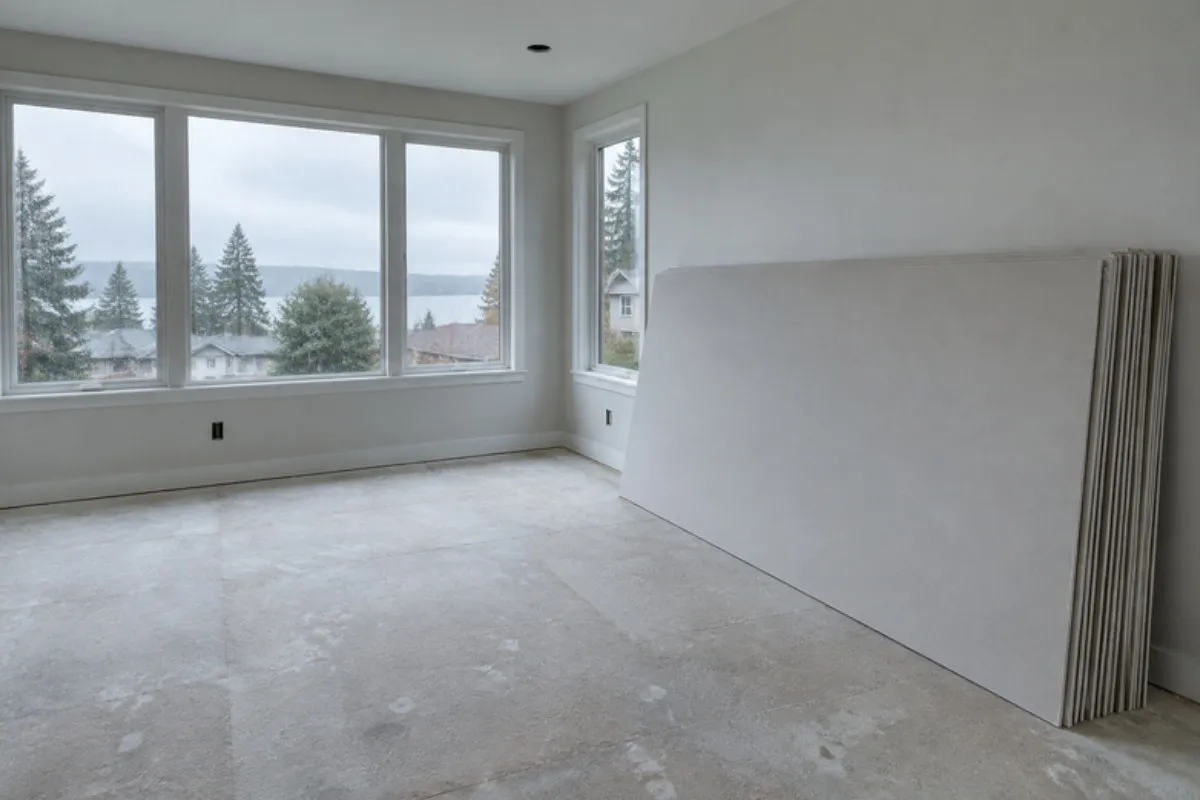
- Containment already taken down before anyone checked the area.
- No answer on where the water came from in the first place.
Timing through the wet season
From October through spring, plan for drying to take longer and build that into the schedule rather than pushing clearance to meet a drywall date. If the home took on water from Clover Creek, EPA says to assume mold is growing when a flooded house could not be dried within 24 to 48 hours, so drying and cleanup come before any clearance visit. After the area passes, the City of Lakewood's Planning and Public Works Permit Center handles building permits and inspections for the rebuild. Renters with an unrepaired leak can also look to the city's Rental Housing Safety Program.
Post-Remediation Clearance Testing questions in Lakewood
Can the remediation company run its own clearance test?
What if the work area fails clearance?
Is there an official spore count that means the job passed?
After high water got into the house, when does clearance make sense?
More mold services in Lakewood
Post-Remediation Clearance Testing nearby
Sources
- Lakewood, Washington (Wikipedia)
- City of Lakewood: Clover Creek Floodplain
- KIRO 7: Pierce County sees uptick in housing complaints such as mold
- City of Lakewood: Planning and Public Works
- Angi: How to Hire a Mold Remediation Company (separate testing and remediation)
- EPA: Homeowner's and Renter's Guide to Mold Cleanup After Disasters (pdf)
- EPA: Mold Information Slideshow (testing and sampling)
Last updated: