Black mold in a Lakewood house or apartment is cleaned or removed the same way as any other mold, based on how much there is and what it is growing on. The water that fed it has to be stopped first or it comes back. Call the number on this page to be connected with a local mold remediation company in Lakewood.
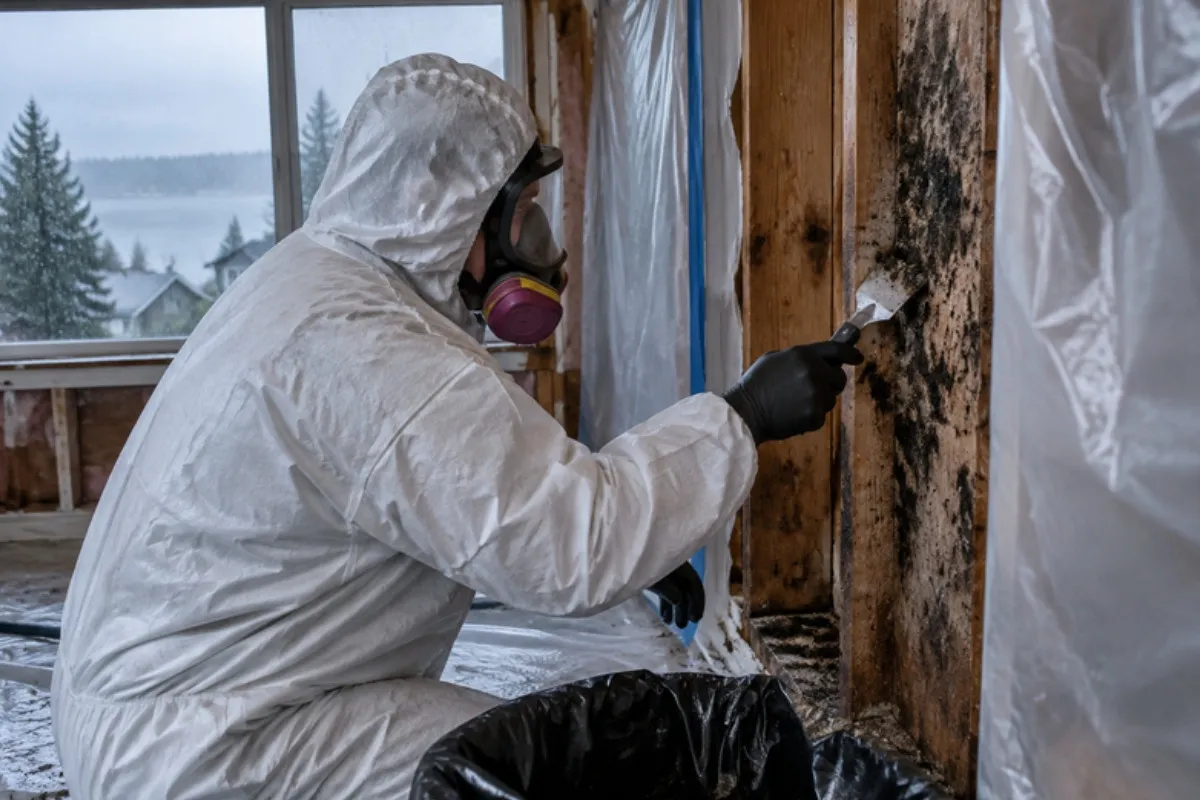
What feeds dark mold in Lakewood
Lakewood has more water inside its limits than most South Sound suburbs: American Lake, Lake Steilacoom, Gravelly Lake, Lake Louise and Waughop Lake, plus Chambers Creek running out of Lake Steilacoom and Clover Creek. The city says new flood maps show a 1% annual-chance flood risk along Clover Creek in the Springbrook and Hillside neighborhoods, with some areas that used to be in the 500-year floodplain now in the 100-year floodplain. Homes in those areas should treat any wet carpet or drywall after high water as a mold risk.
Away from the creek, the usual culprits are ordinary ones: window condensation through the winter, bathrooms without a working fan, and roof or plumbing leaks. The Tacoma-Pierce County Health Department's mold guidance says molds grow where there is too much water and points to stopping leaks, repairing roofs and plumbing, and moving water away from basement walls and slabs. The health department has also reported an uptick in housing complaints such as mold, while noting it has no regulatory power over rental housing.
Clean it or cut it out?
| Where the black mold is | Usual approach |
|---|---|
| Tile, glass, sealed countertops, metal | Clean with detergent and water, dry fully |
| Painted drywall, small surface spots | Clean if it wipes off and hasn't stained through; recheck |
| Drywall soaked or stained through | Cut out past the visible edge and replace after drying |
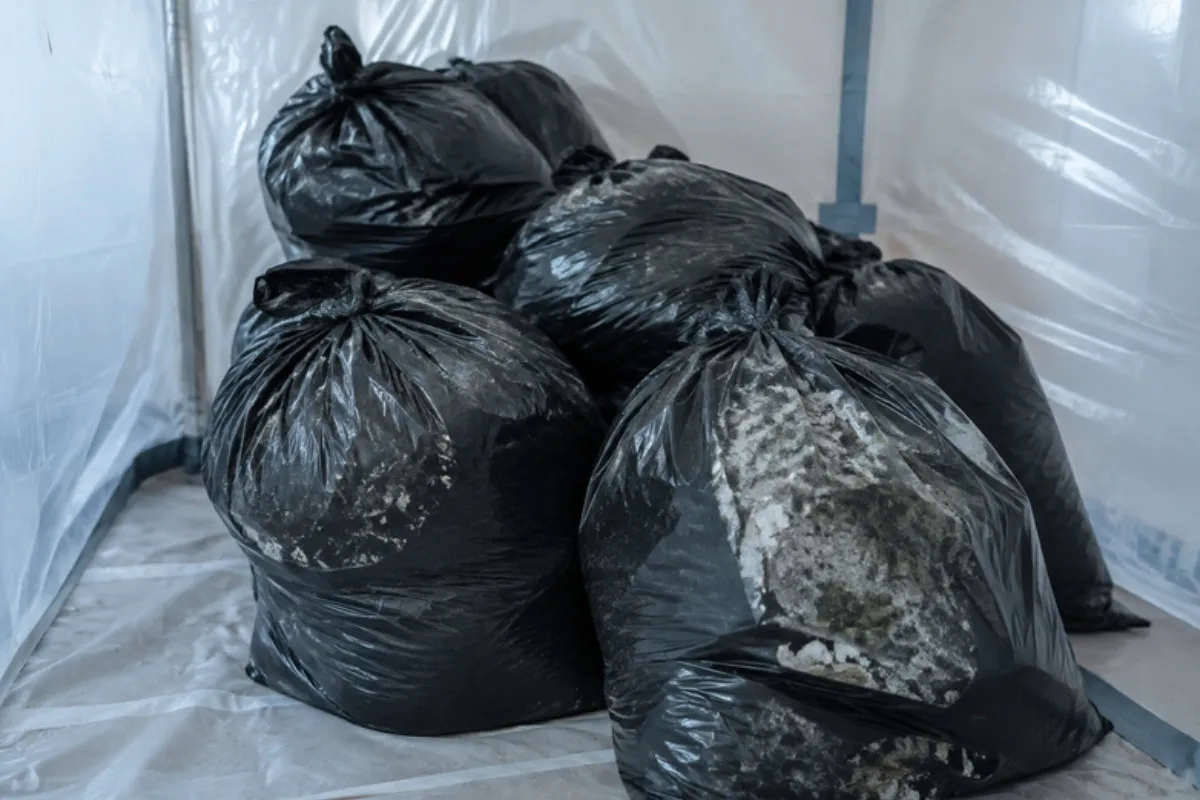
| Carpet, pad, ceiling tile, insulation | Bag and discard; EPA says porous items may have to go |
| Wood framing and subfloor | HEPA vacuum, scrub or sand, then confirm it is dry |
Signs it is more than a surface spot
- Black staining that returns within weeks of cleaning.
- Baseboards, paint or wallpaper bubbling or pulling away.
- A musty smell in a closet or room with no visible growth.
- Spots on a ceiling under a bathroom or below the roofline.
Timing in a wet climate
EPA says to dry wet materials within 24 to 48 hours. From October to April, Lakewood's air is damp enough that a wet wall can take far longer to dry on its own, so fans and dehumidifiers matter. Summer is often the easiest time for larger removal and rebuild work, since drywall and framing dry faster. Repairs that need permits go through the City of Lakewood's Planning and Public Works Permit Center, and renters can contact the city's Rental Housing Safety Program about unsafe rental conditions.
Black Mold Removal questions in Lakewood
Will scrubbing with bleach take care of black mold?
My rental has black mold and the landlord hasn't fixed the leak. What now?
Water got into the house during a storm or high tide. How fast does mold start?
What does black mold removal usually cost around here?
More mold services in Lakewood
Black Mold Removal nearby
Sources
- Wikipedia: Lakewood, Washington
- City of Lakewood: Clover Creek Floodplain
- City of Lakewood: Planning and Public Works
- Tacoma-Pierce County Health Department: Mold FAQs
- KIRO 7: Pierce County sees uptick in housing complaints such as mold
- EPA: Mold Cleanup in Your Home
- EPA: A Brief Guide to Mold, Moisture and Your Home
- RCW 59.18.060: Landlord, Duties
- RCW 59.18.070: Landlord's failure to remedy, Tenant's remedies, Notice
- Angi: How Much Does Mold Remediation Cost in Seattle, WA?
- HomeGuide: How Much Does Mold Removal and Remediation Cost? (2026)
Last updated: