Lakewood mold problems usually trace back to water: a leak that ran too long, a wet crawl space, or rooms that stay damp through the winter. Once the source is fixed, damaged materials can be removed and the area dried. Call the number on this page to be connected with a local mold remediation company in Lakewood.
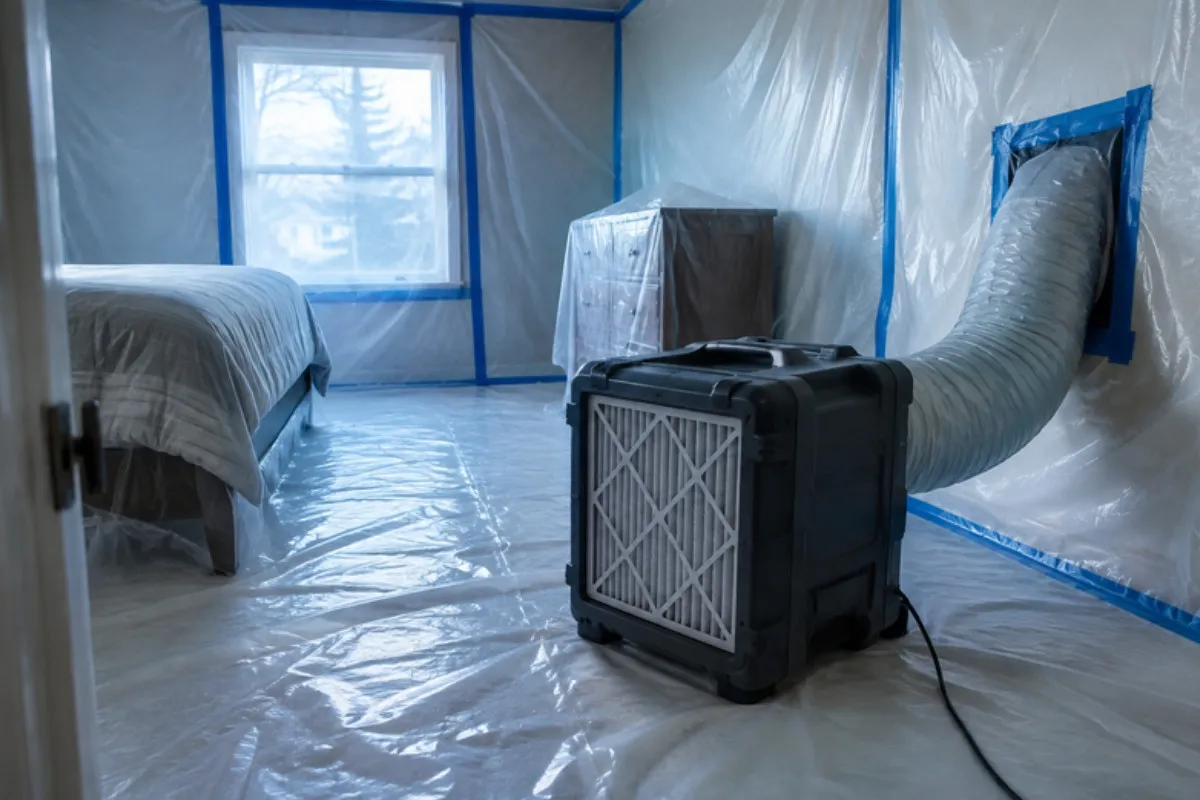
Mold services in Lakewood
A lake city next to JBLM
Lakewood is Pierce County's second-largest city, a suburban community beside the McChord Field side of Joint Base Lewis-McChord, about 33 miles from Seattle in a straight line. It earns its name: American Lake, Lake Steilacoom, Gravelly Lake, Lake Louise and Waughop Lake all sit inside city limits, and Chambers Creek runs from Lake Steilacoom to Chambers Bay.
Clover Creek and the floodplain
The city's flood maps show a 1% annual-chance (100-year) flood risk along Clover Creek in the Springbrook and Hillside neighborhoods, and a major flood would also reach I-5 and parts of downtown. Some areas once shown in the 500-year floodplain now fall in the 100-year floodplain. If your home is near the creek, EPA's rule after any flooding applies: anything that stayed wet for more than 24 to 48 hours should be treated as moldy.
Everyday moisture
Most mold calls have nothing to do with floods. The Tacoma-Pierce County Health Department's guidance is simple: molds grow where there is too much water, so stop leaks, repair roofs and plumbing, and move water away from basement walls and slabs. In this climate, add winter condensation on windows and outside walls, damp crawl spaces and attics with poor ventilation. Houses that stay closed up and cool through a long wet season tend to show it first in closets and behind furniture on outside walls.
Renters in Lakewood
Lakewood's Planning and Public Works department runs a Rental Housing Safety Program focused on rental unit safety, with its own contact. Start by notifying your landlord in writing. Washington law requires landlords to keep units weathertight and in good repair, and written notice starts repair timelines. If a leak isn't fixed, the Rental Housing Safety Program is the city office to ask. The county health department has said it has no regulatory power over rental housing, so don't expect it to order repairs. This is general information, not legal advice.
Permits and health
Planning and Public Works also handles building permits and inspections through the city's Online Permit Center. Mold removal isn't permitted work by itself, but structural repairs or major drywall replacement afterward can be. For health questions, the Tacoma-Pierce County Health Department has a mold FAQ. EPA notes that people with asthma or weakened immune systems should stay away from moldy areas.
What to expect when you call
You'll be connected with an independent local company that can look at the area, find the moisture source and explain the scope. Washington has no state mold license, so check that the company is registered with Washington L&I as a construction contractor using L&I's Verify a Contractor tool.
Common questions in Lakewood
My Lakewood home is near Clover Creek. What should I do after high water?
Does the Tacoma-Pierce County Health Department inspect rentals for mold?
Do I need a permit after mold removal?
Should I test before calling?
Nearby cities and towns
Sources
- City of Lakewood: Clover Creek Floodplain
- City of Lakewood: Planning and Public Works
- Wikipedia: Lakewood, Washington
- Tacoma-Pierce County Health Department: Mold FAQ
- KIRO 7: Pierce County sees uptick in apartment mold complaints
- EPA: Homeowner's and Renter's Guide to Mold Cleanup After Disasters (pdf)
- EPA: A Brief Guide to Mold, Moisture and Your Home
- RCW 59.18.060: Landlord duties
- RCW 59.18.070: Landlord's failure to remedy, tenant's remedies, notice
- Washington L&I: Verify a Contractor, Tradesperson or Business
Last updated: