In SeaTac, mold testing is most often about documentation: a renter recording conditions, a seller answering a buyer's question, or an owner checking whether a musty room hides growth. Testing cannot rate a home as safe, because no federal limits exist for mold spores. Call the number on this page to be connected with a local mold inspector in SeaTac.
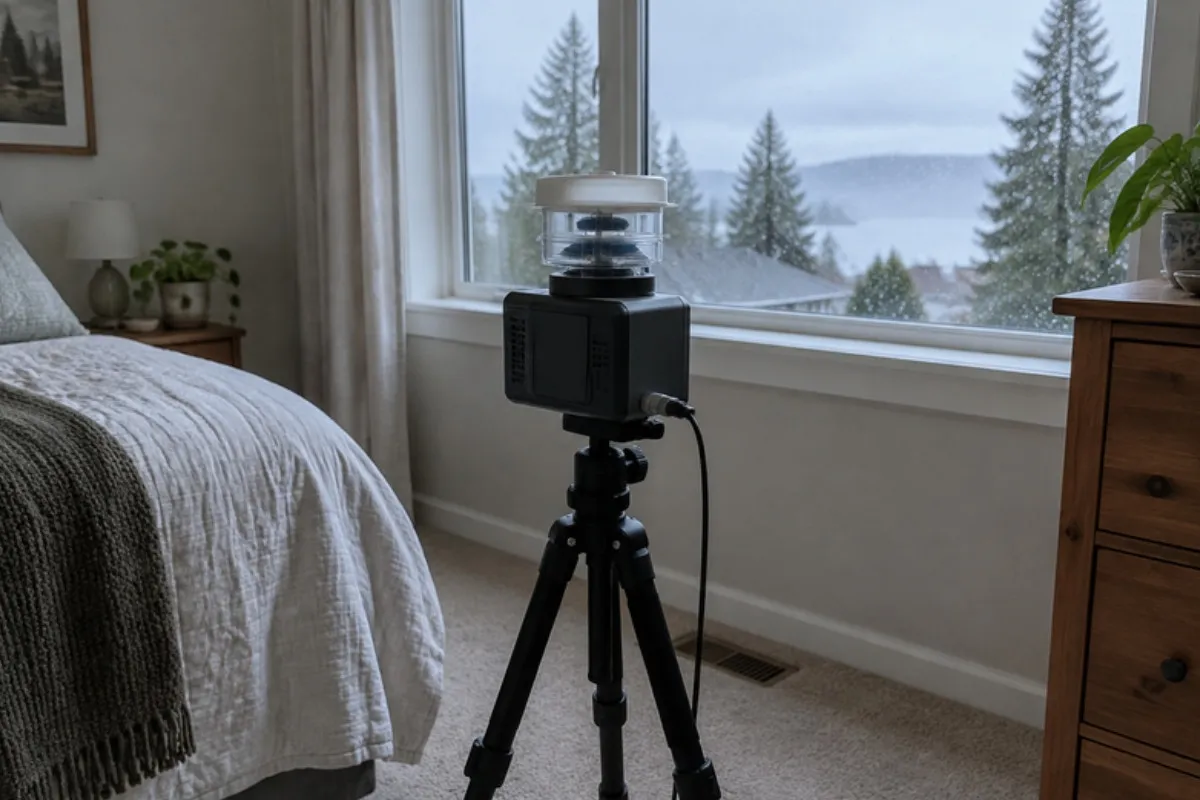
How a call turns into a test
When you call, you are connected with an independent local inspector, not a removal crew. Expect questions about where the smell or staining is, whether there has been a leak, and why you want samples. A useful visit starts with a walk-through and moisture meter readings, then targeted samples where the readings or odor point. Air samples are paired with an outdoor control so indoor counts have something to be compared against.
What affects the price
- How many samples are taken, indoors and out.
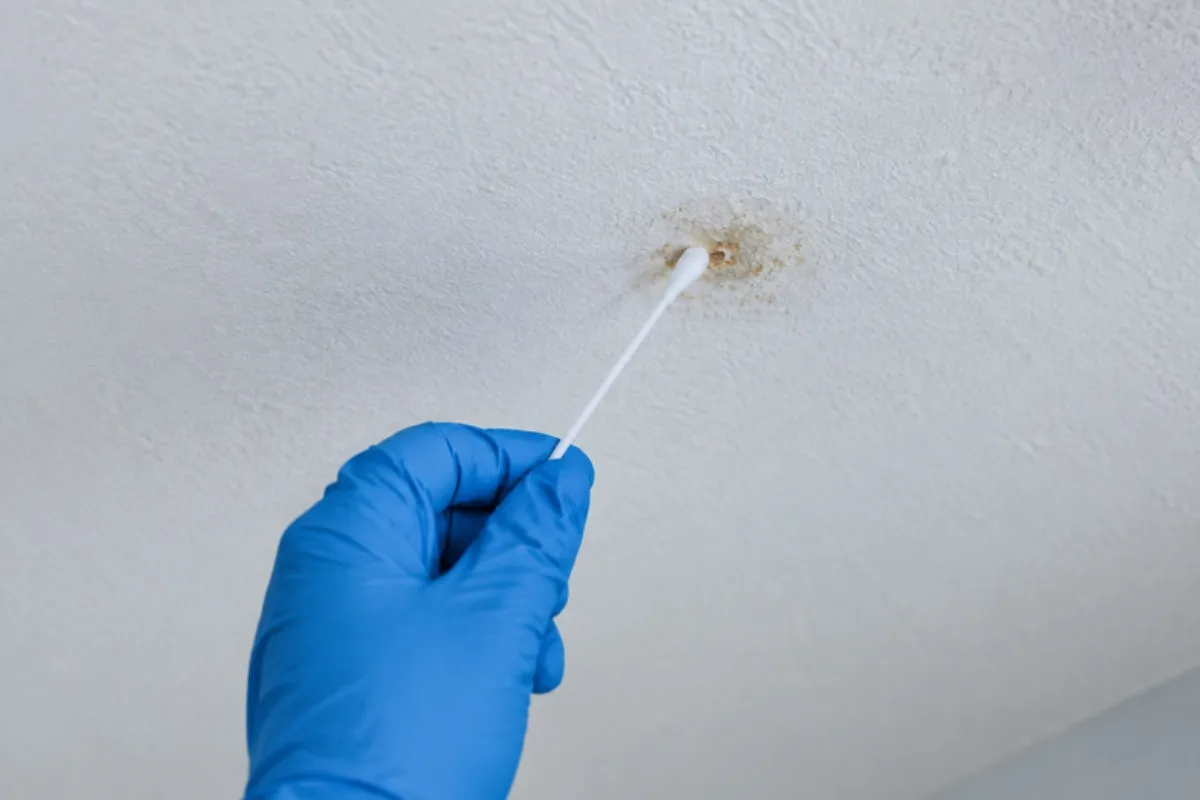
- Sample type: air, swab or tape lift, or a bulk piece of material.
- Access to crawl spaces, attics or a unit above or below yours.
- Lab turnaround, since faster results usually cost more.
As national reference points, Angi's 2026 data lists testing with air and surface sampling at $250 to $500, and HomeGuide's 2026 figures put a bulk sample at $100 to $350. Prices around Puget Sound vary with the home and the number of samples.
SeaTac conditions worth knowing
SeaTac sits on a plateau between Puget Sound and the Duwamish and Green River valleys, with Angle Lake, Bow Lake and the Miller Creek and Des Moines Creek drainages. The bigger mold driver for most homes is the long wet season: slow drying, condensation on cold walls and windows, and bathrooms that never fully air out between October and April.
For renters, the City of SeaTac's tenant resources say to contact the landlord first and refer mold and indoor air questions to King County's indoor air specialists. SeaTac Code Compliance investigates rental housing violations and enforces substandard housing codes, after tenants have first tried the state landlord-tenant process. Washington law requires landlords to keep units weathertight and to give tenants DOH-approved mold information. This is general information, not legal advice.
Before the inspector arrives
- Write down when the smell is worst and any leaks you know of.
- Don't scrub suspect areas or run an air purifier right before an air test.
- Clear a path to the crawl space hatch, attic access and the water heater.
- Renters: keep copies of written notices sent to the landlord.
- Note any recent plumbing repairs or roof work, since fresh repairs can explain an old stain.
Mold Testing questions in SeaTac
I rent. Will a mold test help with my landlord?
Will the county health department test my home for mold?
Is there a safe or legal level of mold spores?
What does mold testing cost?
More mold services in SeaTac
Mold Testing nearby
Sources
- Wikipedia: SeaTac, Washington
- City of SeaTac: Tenant resources
- City of SeaTac: Building Services Division
- Public Health - Seattle & King County: Mold
- EPA: Mold Information Slideshow (testing and sampling)
- Angi: How Much Does a Mold Inspection Cost? (2026 data)
- HomeGuide: How Much Does a Mold Inspection Cost? (2026)
- Washington DOH: Renters, Landlords, and Mold
- RCW 59.18.060: Landlord, Duties
- RCW 59.18.070: Landlord's failure to remedy, Tenant's remedies, Notice
- King County Directory: Indoor air quality and mold consultations
Last updated: