A SeaTac mold inspection is a room-by-room search for growth and the moisture behind it, so you know what you're facing before paying for removal. It is most useful when a smell has no obvious source, after a plumbing leak, or when a renter needs a clear record of a moisture problem. Call the number on this page to be connected with a local mold inspector in SeaTac.
What happens when you call
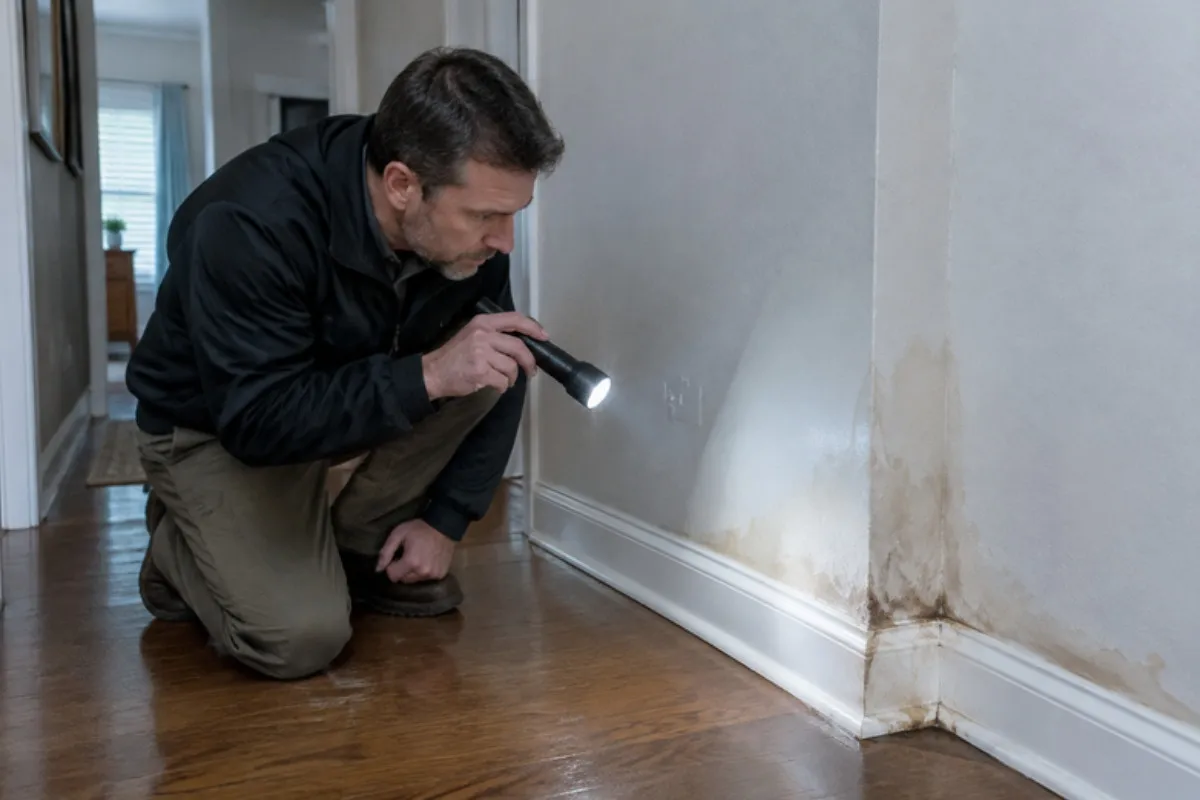
The call is routed to an independent local company that does mold inspections in the SeaTac area. Expect a few questions: where you smell or see the problem, how long it has been there, whether there was a leak, and whether you own or rent. Then you can book a visit. At the house, the inspector walks every level, takes moisture readings in walls, floors and ceilings, looks into the attic and any crawl space, and asks how the home is heated and ventilated. Lab samples are not automatic. EPA says sampling is usually unnecessary when mold is visible, and there are no federal limits for spores to measure against.
What drives the cost
- Size of the home and the number of rooms that need readings.
- Access. A tight crawl space or a blocked attic hatch adds time.
- Samples, if any. Angi's 2026 national data lists a basic air test at $250 to $350 and a surface or swab test at $200 to $300.
- The report. A written report with photos is worth paying for, so confirm it is part of the price.
For the inspection itself, Angi's 2026 national range is $303 to $1,044. Local quotes move with the house.
Moisture around SeaTac
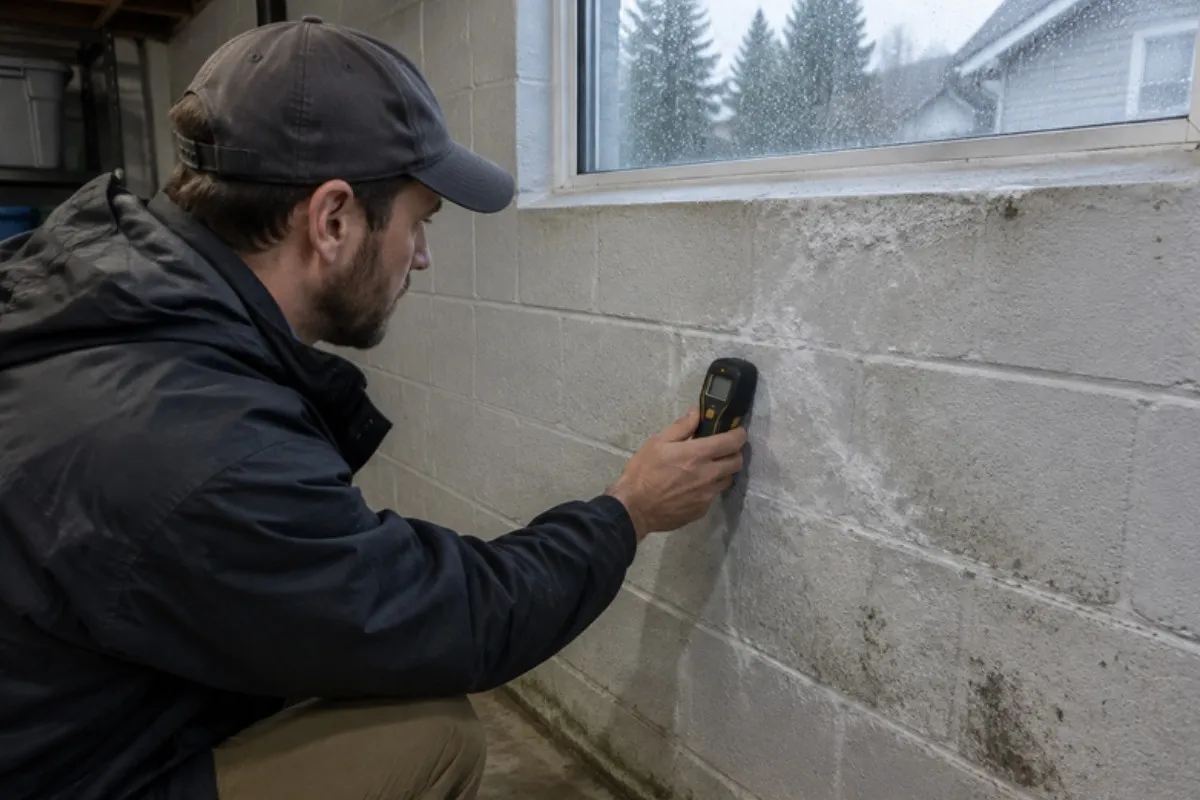
SeaTac sits on a plateau between Puget Sound and the Green River valley, wrapped around Seattle-Tacoma International Airport, with Angle Lake and Bow Lake inside city limits and the Miller Creek and Des Moines Creek drainages crossing it. Most calls here come from ordinary sources: a slow leak under a sink, a bath fan nobody runs, a crawl space that stays damp from October to April, or condensation on older windows in winter.
Renters have a defined route. SeaTac Code Compliance investigates rental housing violations and enforces substandard housing codes, but tenants are expected to work through the state Residential Landlord-Tenant Act process first, which starts with written notice to the landlord. The city sends mold and indoor air questions to King County's indoor air specialists. This is general information, not legal advice.
Before the inspector arrives
- Note dates: when the smell started, any leaks, any repairs.
- Clear access to the attic, crawl space, water heater and under sinks.
- Don't clean or paint over visible growth.
- Renters: keep copies of written notices and photos.
- List your questions, such as whether the inspector also does removal.
Mold Inspection questions in SeaTac
I rent. Should I hire my own mold inspector?
Is a mold inspection the same as mold testing?
How long does a mold inspection take?
Does the county health department inspect homes for mold?
More mold services in SeaTac
Mold Inspection nearby
Sources
Last updated: