In SeaTac, mold usually follows a leak, a damp crawl space or winter condensation on cold walls and windows. Renters have a defined path through the city's Code Compliance team once they have given the landlord written notice. Call the number on this page to be connected with a local mold remediation company in SeaTac.
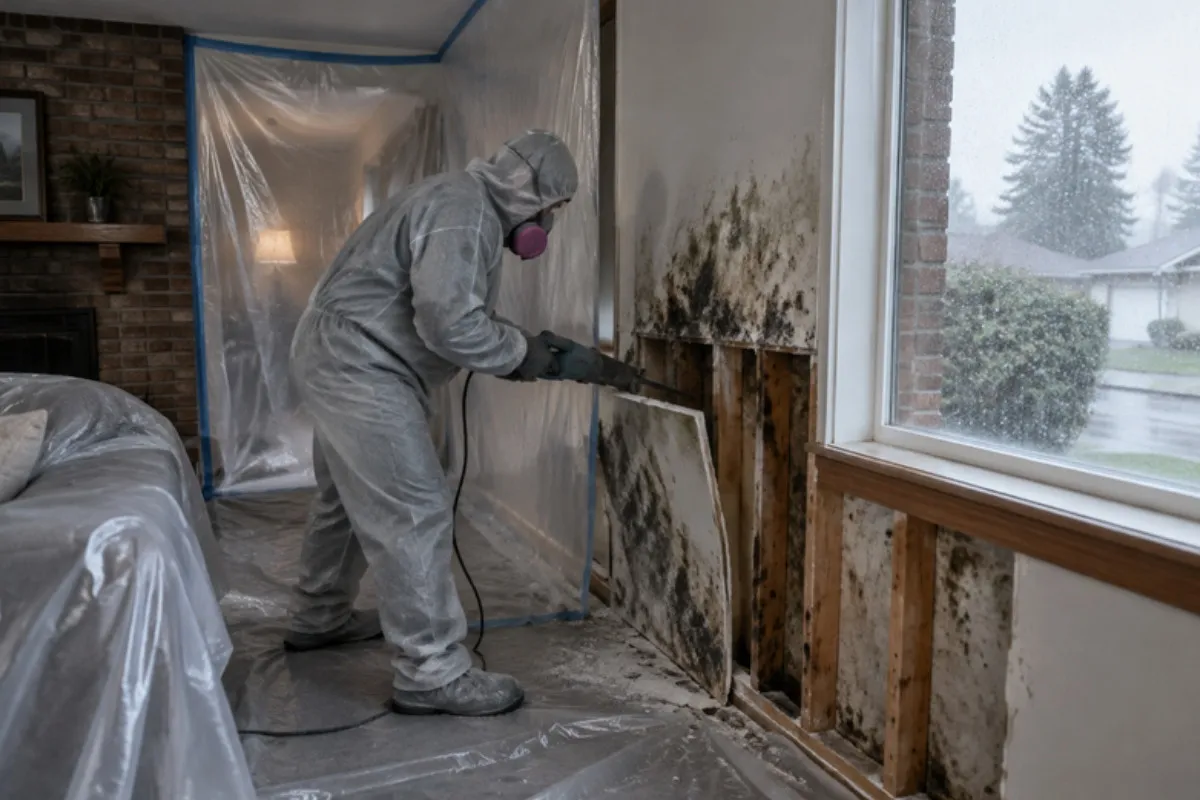
Mold services in SeaTac
Renting in SeaTac with a mold problem
SeaTac is one of the few cities in the area that spells out what tenants should do. The city's Code Compliance team in the Building Services Division investigates rental housing violations and enforces substandard housing and property maintenance codes. Before it steps in, tenants are expected to try to resolve the issue through the Washington Residential Landlord-Tenant Act process, which starts with written notice to the landlord.
For mold, mildew and indoor air questions, the city's tenant resources page points renters to King County indoor air specialists and says to contact the landlord first. Public Health - Seattle & King County does not conduct mold assessments. Its advice is to report the underlying leak or moisture problem in writing, then take an unfixed water problem to local building or code enforcement officials, since those offices will not act on a mold complaint by itself.
State law backs this up. Washington landlords must keep units reasonably weathertight and give tenants Department of Health information about mold. After written notice, the landlord has set time frames to start repairs. This is general information, not legal advice.
The SeaTac setting
SeaTac surrounds Seattle-Tacoma International Airport on a plateau between Puget Sound to the west and the Duwamish and Green River valleys to the east, roughly 12 miles south of downtown Seattle. The city has no Sound shoreline of its own, but it has Angle Lake and Bow Lake, and the Miller Creek and Des Moines Creek drainages run across the plateau. McMicken Heights, Riverton Heights and the blocks along International Boulevard and Des Moines Memorial Drive hold a mix of houses and apartment buildings.
Without river flooding, the moisture sources here are ordinary but persistent: months of rain from fall to spring, homes kept closed up against the cold, bathrooms without strong exhaust fans, and crawl spaces under older houses where ground moisture collects. Condensation on windows and the backs of closets is common in apartments where many people share a small space.
Repairs, permits and hiring
If removing mold means tearing out and replacing drywall, framing or plumbing, the City of SeaTac Building Services Division reviews permit applications for building, plumbing, mechanical and electrical work and inspects permitted jobs. The mold cleanup itself is not described as permitted work.
A call through this page connects you with an independent local company. Washington has no state mold license or certification, so check that the company is registered with Washington L&I as a construction contractor using the Verify a Contractor tool, and get a written scope that names the moisture source.
Common questions in SeaTac
Who do SeaTac renters call about mold?
Will Public Health test my SeaTac apartment for mold?
Why does mold keep returning on my bedroom windows?
Is mold removal permitted work in SeaTac?
Nearby cities and towns
Sources
- City of SeaTac: Tenant resources
- City of SeaTac: Building Services Division
- Wikipedia: SeaTac, Washington
- Public Health - Seattle & King County: Mold
- RCW 59.18.060: Landlord, Duties
- RCW 59.18.070: Landlord's failure to remedy, Tenant's remedies, Notice
- Washington DOH: Renters, Landlords, and Mold
- Washington DOH: Identifying an Unknown Indoor Air Quality Problem (hiring a contractor)
- L&I: Verify a Contractor, Tradesperson or Business
Last updated: