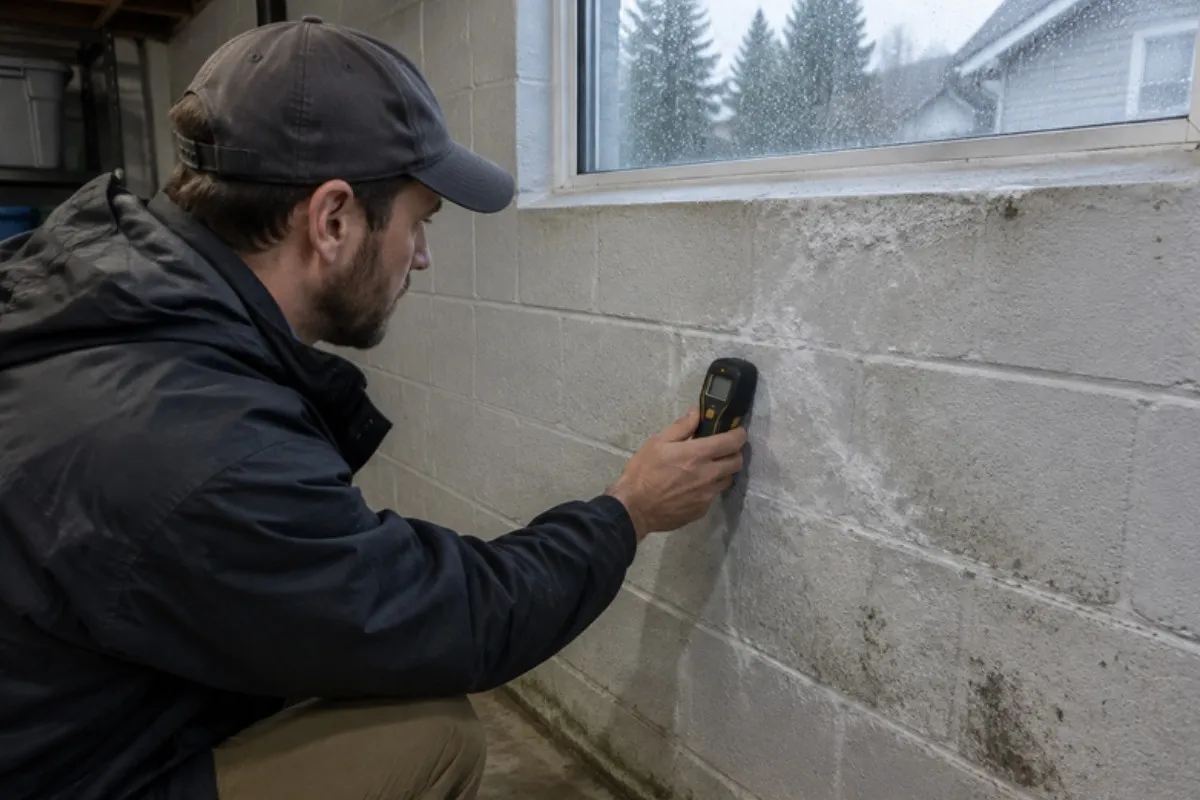
A mold inspection in Lynnwood identifies hidden growth and its moisture source, and it is useful for owners and for the many Lynnwood residents who rent. The inspector's written findings make conversations with a landlord, a seller or a remediation company far easier. Call the number on this page to be connected with a local mold inspector in Lynnwood.
Lynnwood homes and moisture
Lynnwood sits at the junction of I-5 and I-405, about 15 miles north of Seattle, and one community profile estimates more renter households than owner households in the city. Much of Lynnwood drains to Swamp Creek or down Lund's Gulch to Puget Sound, with Scriber Creek, Scriber Lake and Hall Lake inside city limits. In apartments and townhomes, mold calls tend to involve shared walls and ceilings, bathroom fans that don't vent outdoors, and condensation in units kept closed all day. Single-family houses add crawl spaces and attics to the list.
What to do now
- Document the problem with dates and photos: where it is, how big, and what changes after rain.
- If you rent, send written notice to the landlord about the leak or moisture. Landlords must keep units reasonably weathertight and have set times to begin repairs.
- Run the bathroom fan during and after showers, and keep furniture a few inches off cold exterior walls.
- Leave visible growth in place for the inspector; don't paint or caulk over it.
- If the problem goes unaddressed, Lynnwood Code Enforcement takes reports such as homes in severe disrepair. Addresses outside city limits go to Snohomish County Code Enforcement.
- Bring health questions to a health professional. The Snohomish County Health Department offers mold information but does not investigate mold in private homes.
What you see and what may cause it
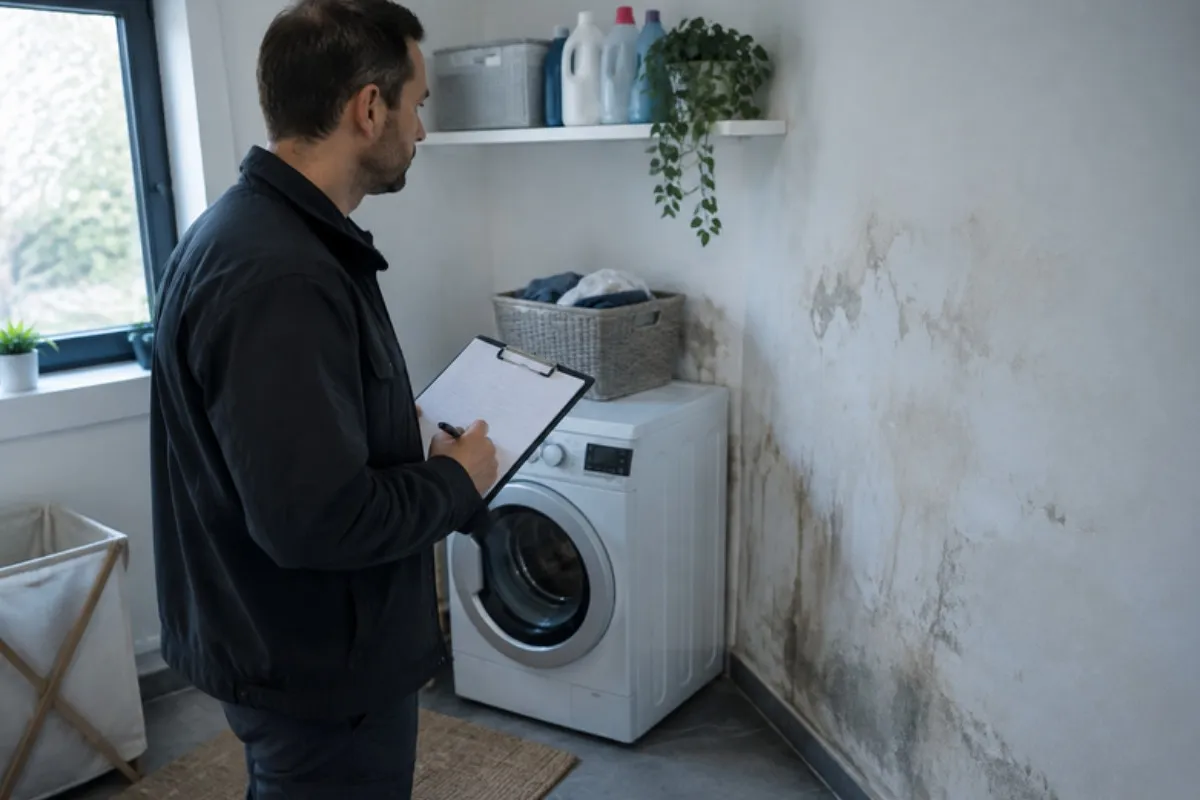
| What you see | Likely cause |
|---|---|
| Bathroom ceiling mildew that returns after cleaning | Fan too weak, venting into the attic, or not run long enough |
| Wet carpet along an exterior wall | Window or siding leak |
| Musty smell in a unit below another | Plumbing leak from upstairs |
| Fuzzy growth on items stored in the garage | High humidity and no air movement |
| Damp, stained crawl space access cover | Wet crawl space |
Cost factors
Angi's 2026 national data puts a typical inspection at $303 to $1,044, and HomeGuide's 2026 national figure is $300 to $650. A one-bedroom condo usually takes less time than a two-story house with an attic and crawl space. Samples add cost; Angi lists $200 to $300 nationally for a surface or swab test. Ask what the report includes before you book.
Mold Inspection questions in Lynnwood
What should a mold inspection report include?
Can a home mold test kit replace an inspection?
Does Washington have a state credential for mold inspectors?
Should I clean visible mold before the inspector comes?
More mold services in Lynnwood
Mold Inspection nearby
Sources
- Wikipedia: Lynnwood, Washington
- Economic Alliance Snohomish County: Lynnwood community profile
- City of Lynnwood: Report a Code Violation
- RCW 59.18.060: Landlord, Duties
- RCW 59.18.070: Landlord's failure to remedy, Tenant's remedies, Notice
- EPA: Mold Cleanup in Your Home
- EPA: Mold Information Slideshow (testing and sampling)
- Snohomish County Health Department: Mold & Air Quality
- Angi: How Much Does a Mold Inspection Cost? (2026 data)
- HomeGuide: How Much Does a Mold Inspection Cost? (2026)
- Washington DOH: Identifying an Unknown Indoor Air Quality Problem (hiring a contractor)
- L&I: Verify a Contractor, Tradesperson or Business
Last updated: