Mold inside Lynnwood walls usually comes from a leak in a shared plumbing wall, rain past windows, or condensation in rooms that stay closed and cool. The fix is to stop the water, remove moldy drywall and insulation under containment, clean and dry the framing and rebuild. Call the number on this page to be connected with a local mold remediation company in Lynnwood.
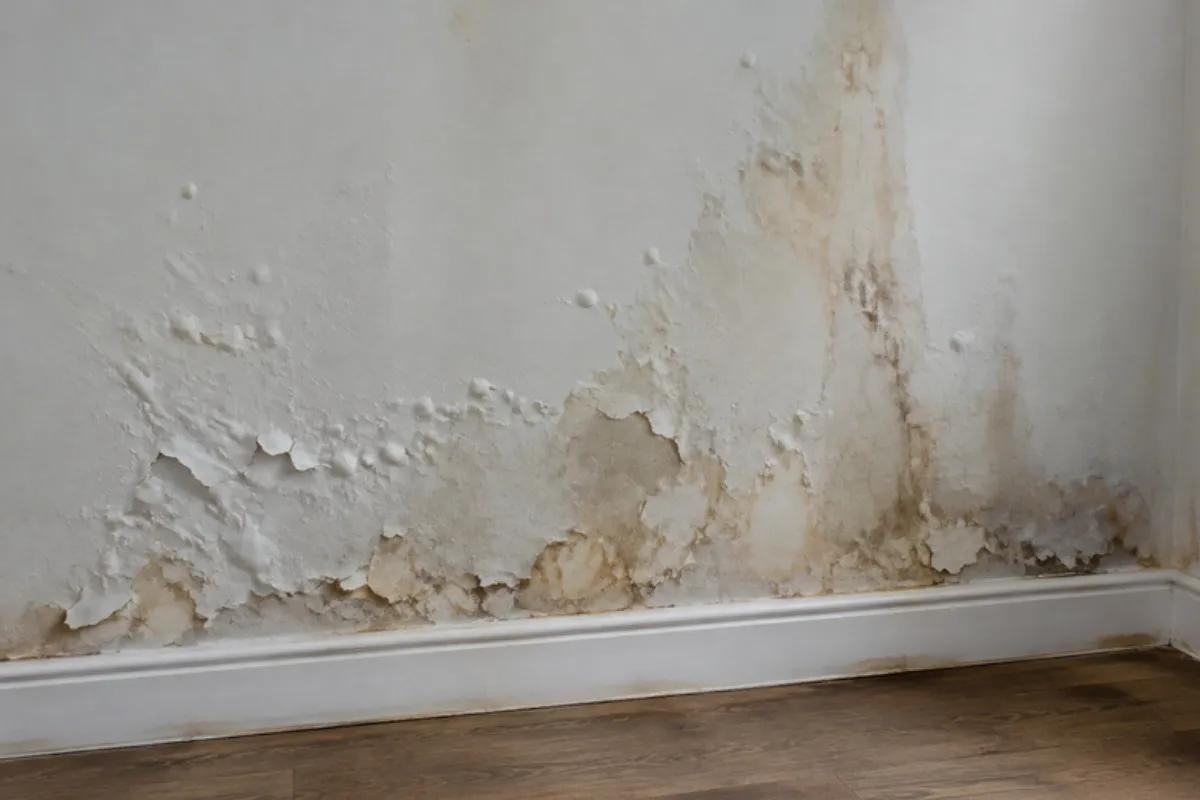
Wall mold in Lynnwood homes
Lynnwood sits at the junction of I-5 and I-405, and estimates show more renter-occupied than owner-occupied households, roughly 9,200 to 8,200. That mix matters for wall mold. In apartments and townhomes, the leak is often in a neighbor's unit: a toilet supply line or tub drain upstairs soaks the shared wall below, and the first sign is a stain or smell on your side. In single-family homes, the familiar Puget Sound sources apply, from window leaks in long rainy stretches to condensation behind furniture. The city drains mostly to Swamp Creek or through Lund's Gulch to Puget Sound, with Scriber Creek, Scriber Lake and Hall Lake inside city limits, so low lots near those waters may see damper lower walls.
What to do now
- Find out where the water comes from. Check the wall behind and below bathrooms, kitchens and laundry, including any unit above you.
- Report it in writing if you rent. Washington landlords must keep units weathertight and plumbing in reasonable repair, and written notice starts the repair timelines in state law.
- Keep the room dry. Run heat and the bath fan, and move belongings away from the wall.
- Avoid cutting or sanding. Disturbing hidden mold without containment spreads it; EPA suggests a professional for areas larger than about 10 square feet.
- Photograph everything. Dated photos help owners, managers and insurers sort out what happened.
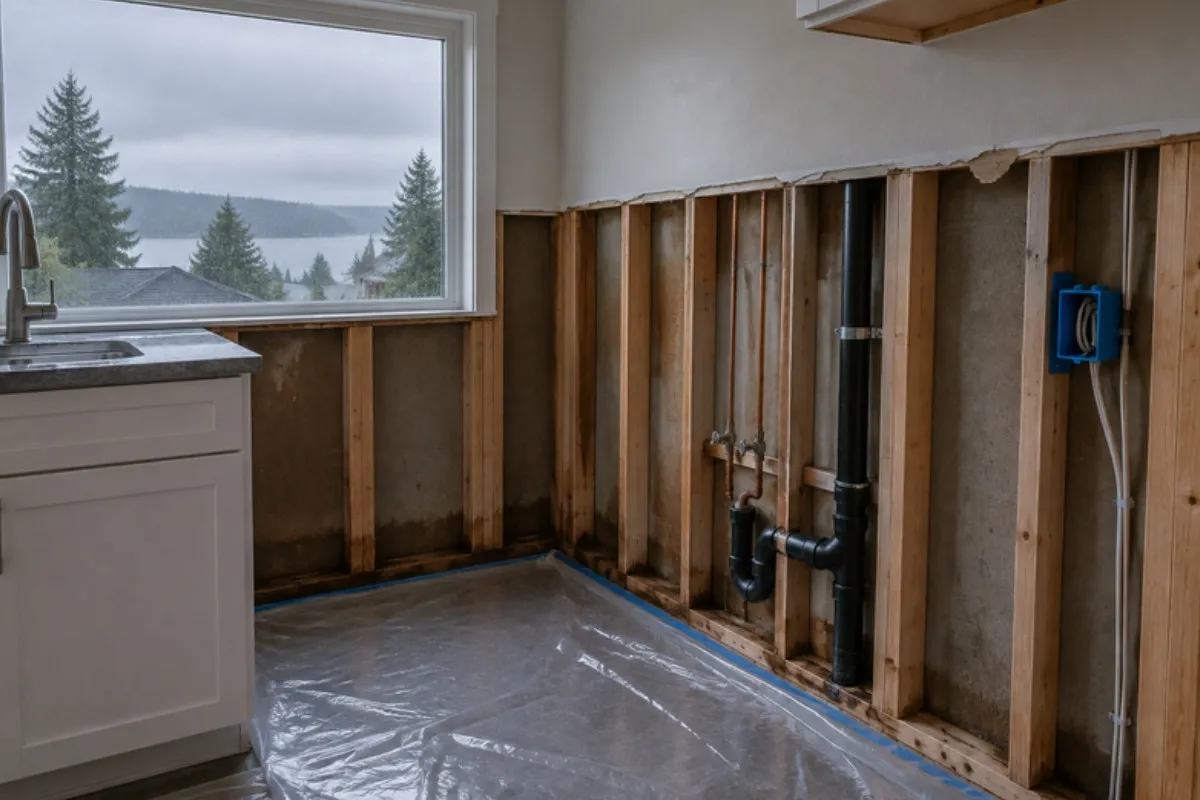
Signs and what usually causes them
| What you see | Likely cause |
|---|---|
| Stain on a ceiling corner running down the wall | Leak from the unit or bathroom above |
| Swollen baseboard in a bathroom | Toilet seal, supply line or tub overflow |
| Spotting on a bedroom outside wall in winter | Condensation with little air movement |
| Bubbled paint next to a sliding door | Rain getting past the door track or flashing |
| Musty smell in a closet backing a kitchen | Dishwasher, sink drain or ice maker leak |
Cost factors
Angi's Seattle cost guide reports about $825 to $16,550 for wall mold, largely because the amount of wall involved varies so much. Shared walls can mean work in two units, plus coordination with an owner or association. Insulation, sheathing, fire-rated assemblies in multifamily buildings, and finish work all add cost. City of Lynnwood Development & Business Services issues building permits if framing or plumbing repairs are needed. Renters whose landlord has not fixed a leak can contact Lynnwood Code Enforcement at 425-670-5420, which takes reports such as homes in severe disrepair.
Mold in Walls & Drywall questions in Lynnwood
I rent. Who is responsible for mold inside the walls?
Who fixes the leak, the mold company or a plumber?
There is a musty smell but no visible mold. What should I do?
Who can I ask about health concerns from mold in my walls?
More mold services in Lynnwood
Mold in Walls & Drywall nearby
Sources
- Economic Alliance Snohomish County: Lynnwood community profile
- Wikipedia: Lynnwood, Washington
- City of Lynnwood: Development & Business Services
- City of Lynnwood: Report a Code Violation
- RCW 59.18.060: Landlord duties
- RCW 59.18.070: Landlord failure to carry out duties
- EPA: Mold Cleanup in Your Home
- Angi: Mold Remediation Cost in Seattle
- Snohomish County Health Department: Mold and Air Quality
Last updated: