Pacific's basement and lower-level mold usually follows White River flooding, which has hit the city repeatedly. After floodwater, soaked carpet, drywall and insulation generally come out, the structure is cleaned and dried, and repairs need city permits or floodplain approvals. Call the number on this page to be connected with a local mold remediation company in Pacific.
Pacific and the White River
Pacific is a small riverside city about 25 miles south of Seattle, between Auburn and Sumner, mostly in King County with a small piece in Pierce. The lower White River, also called the Stuck River, runs along its east side, and the city has flooded more than once. In November 2006 record rains pushed the river over its banks along Pacific City Park and formed a temporary 25-acre lake. On Jan. 8, 2009 water releases from Mud Mountain Dam caused rapid flooding with almost no warning. Early on Dec. 16, 2025 a White River levee, a HESCO barrier, breached and flooded a large part of the city; more than 200 homes were affected and over 600 people displaced.
What to do now
- Go back in only when officials say it's safe, and keep power off in flooded areas until it has been checked.
- Remove standing water and start drying. EPA says to assume mold growth if a flooded home couldn't be dried within 24 to 48 hours.
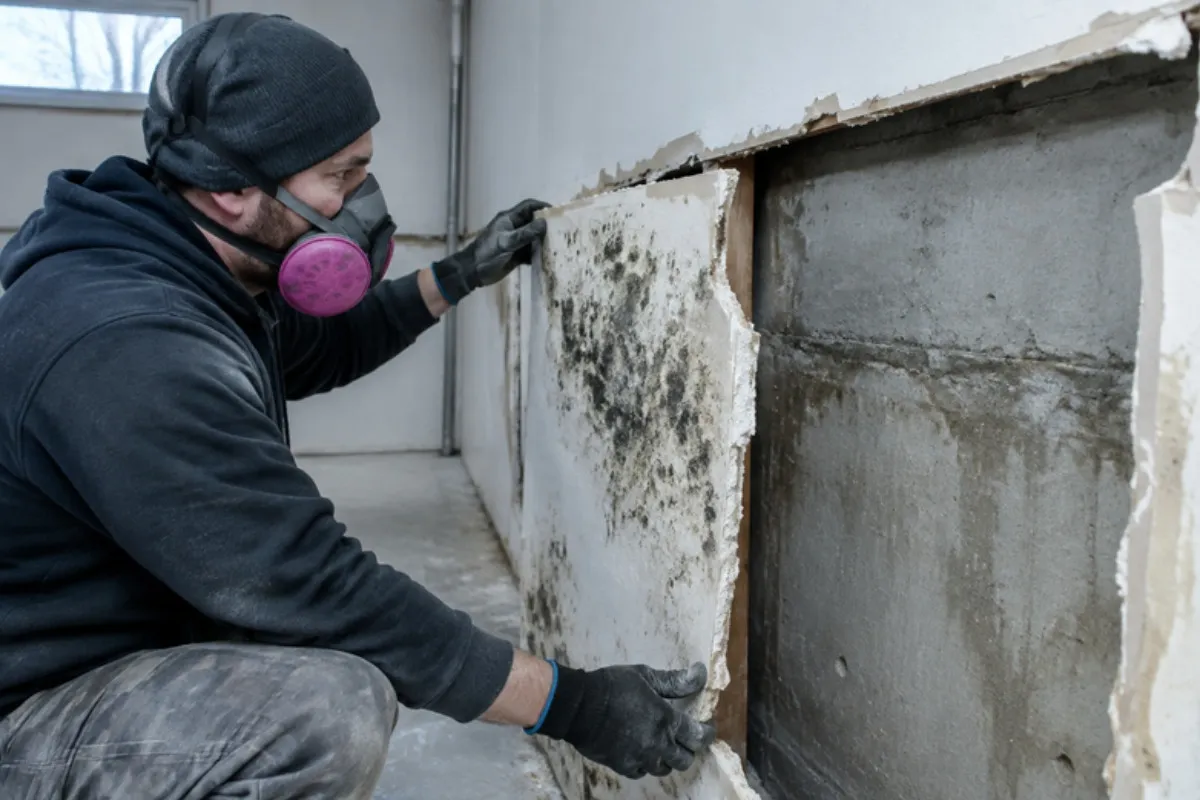
- Pull out soaked carpet, pad, insulation and lower drywall; EPA says porous materials may need to be thrown away.
- Wear at least an N-95 respirator during cleanup and keep children out of the work, as EPA advises.
- Photograph the damage for your insurer. Homeowners insurance doesn't cover floods.
- Before rebuilding, contact City of Pacific Community Development. The city says repairs to flood-damaged property need building permits and/or floodplain development approvals.
What you see and the likely cause
| What you see | Likely cause |
|---|---|
| Fuzzy growth at the base of walls weeks after the flood | Wet drywall or insulation left in place |
| Musty smell from heat registers | Floodwater reached ducts or the furnace |
| Silt line and stains on framing | Flood height; framing needs cleaning and drying |
| Floor that stays cold and damp | Water trapped under vinyl, laminate or subfloor |
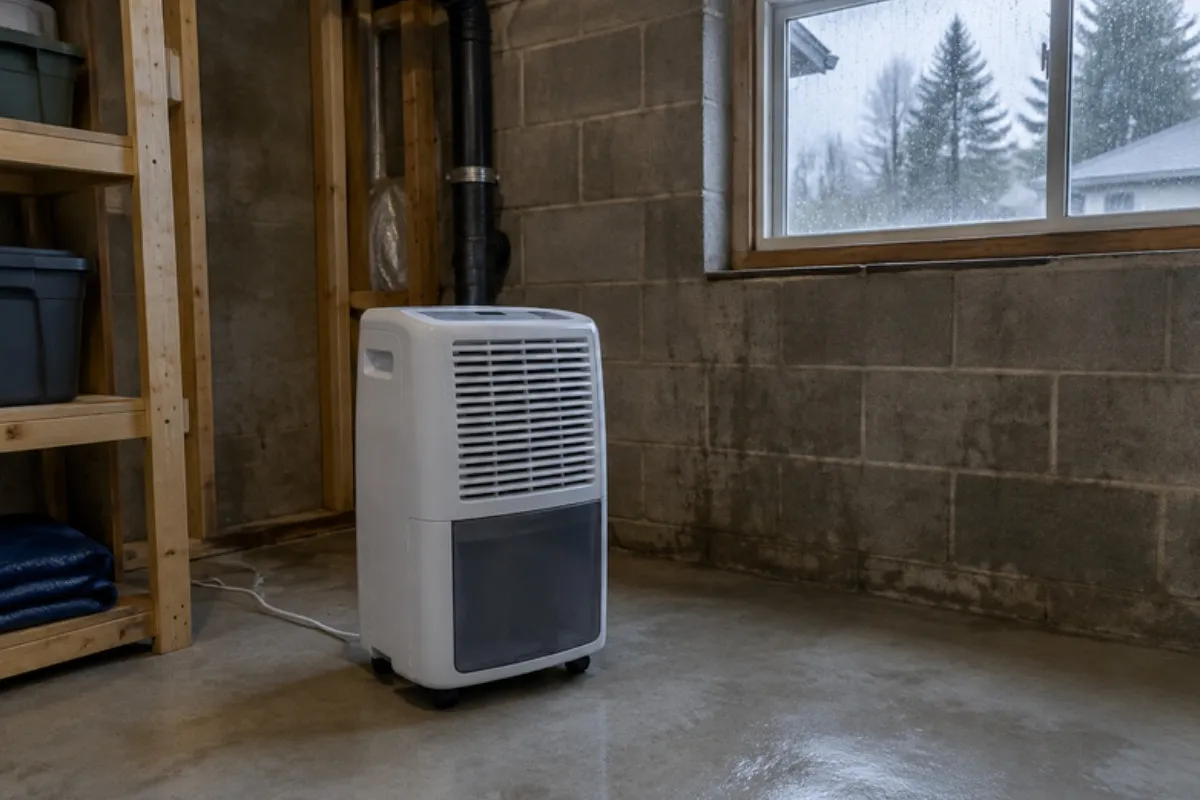
| White crust on concrete walls | Water moving through the foundation |
Cost factors
Angi's Seattle cost guide puts basement mold remediation at $425 to $2,475, but flood jobs often go further. HomeGuide's 2026 national ranges reach $6,000 to $15,000 for a full basement and $2,000 to $10,000 for HVAC systems or ducts. Silt removal, the depth of the water, how long materials stayed wet and how much has to be rebuilt drive the final number. Get written scopes from more than one company registered with Washington L&I, and pay as phases are completed.
Basement Mold Removal questions in Pacific
Will homeowners insurance pay for basement mold?
What happens to carpet and pad on a moldy basement floor?
Will the mold come back after it's removed?
How do I check a basement mold company in Washington?
More mold services in Pacific
Basement Mold Removal nearby
Helpful guides
Sources
- Wikipedia: Pacific, Washington
- Fox Weather: Over 200 homes affected by levee breach in Washington town
- City of Pacific: 2025 Flood
- City of Pacific: Building Inspector/Code Enforcement job description (pdf)
- EPA: Homeowner's and Renter's Guide to Mold Cleanup After Disasters (pdf)
- EPA: Mold Cleanup in Your Home
- Angi: How Much Does Mold Remediation Cost in Seattle, WA?
- HomeGuide: How Much Does Mold Removal and Remediation Cost? (2026)
- L&I: Hire Smart Step-by-Step
Last updated: