Around Monroe, mold testing is most useful after flood cleanup, to check wall cavities and crawl spaces that look dry and to document results before rebuilding. If a room stayed wet more than a day or two, EPA says to assume mold growth and start cleanup without waiting for a lab. Call the number on this page to be connected with a local mold inspector in Monroe.
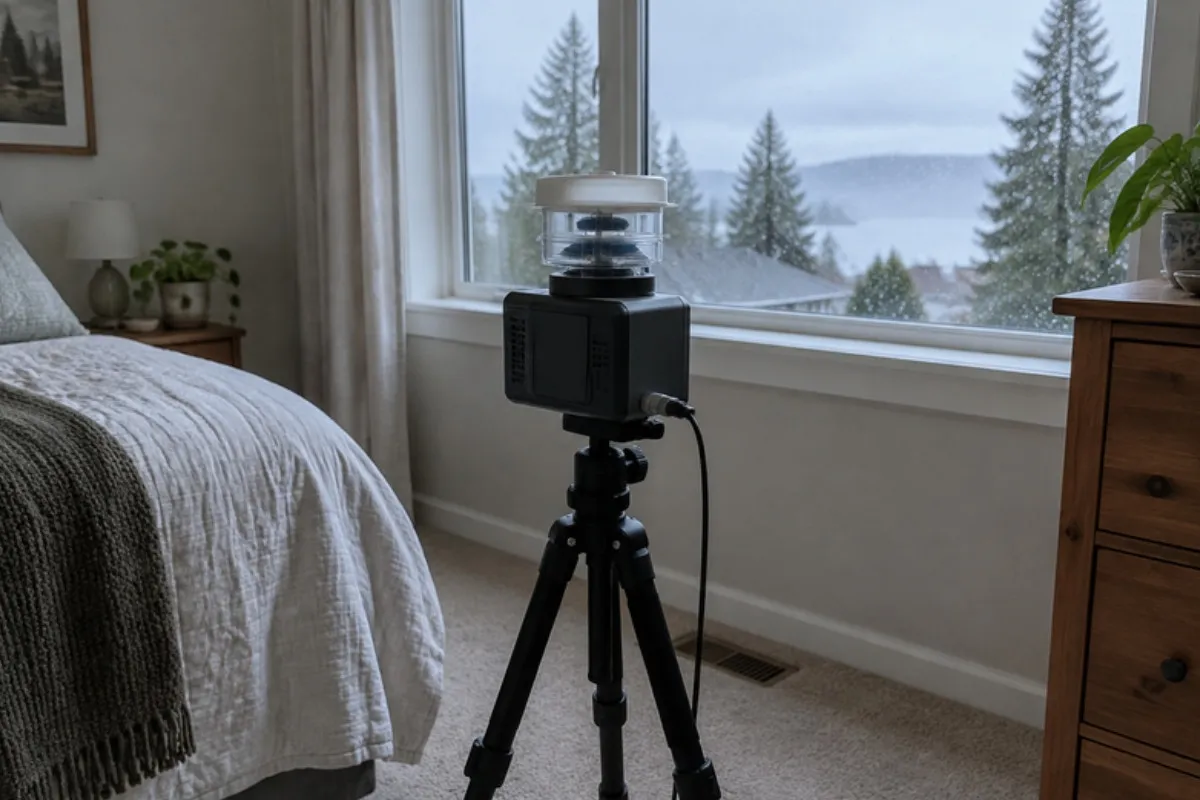
Monroe's water picture
Monroe sits in the western Cascade foothills on US 2, at the confluence of the Skykomish and Snoqualmie rivers where the Snohomish River begins. The Skykomish forms the southern city boundary and Woods Creek the eastern one, and the south and east edges along the Skykomish lie within a 100-year flood hazard zone. In December 2025, atmospheric river flooding closed roads near Monroe, a Monroe mobile home park was evacuated, and Evergreen State Fair Park sheltered evacuated livestock. After those floods, the Snohomish County Health Department warned that mold begins forming within one to two days and advised N95 masks, waterproof boots and heavy gloves for cleanup.
Testing after a flood versus a normal year
| Situation | After floodwater | Ordinary wet season |
|---|---|---|
| First step | Dry out, remove soaked materials, clean | Find the leak or condensation source |
| Role of testing | Check hidden cavities, document clearance | Locate hidden growth behind an odor |
| Best sample type | Surface and cavity air samples | Indoor air with an outdoor control |
| Who should test | Someone independent of the cleanup crew | An inspector who explains each sample |
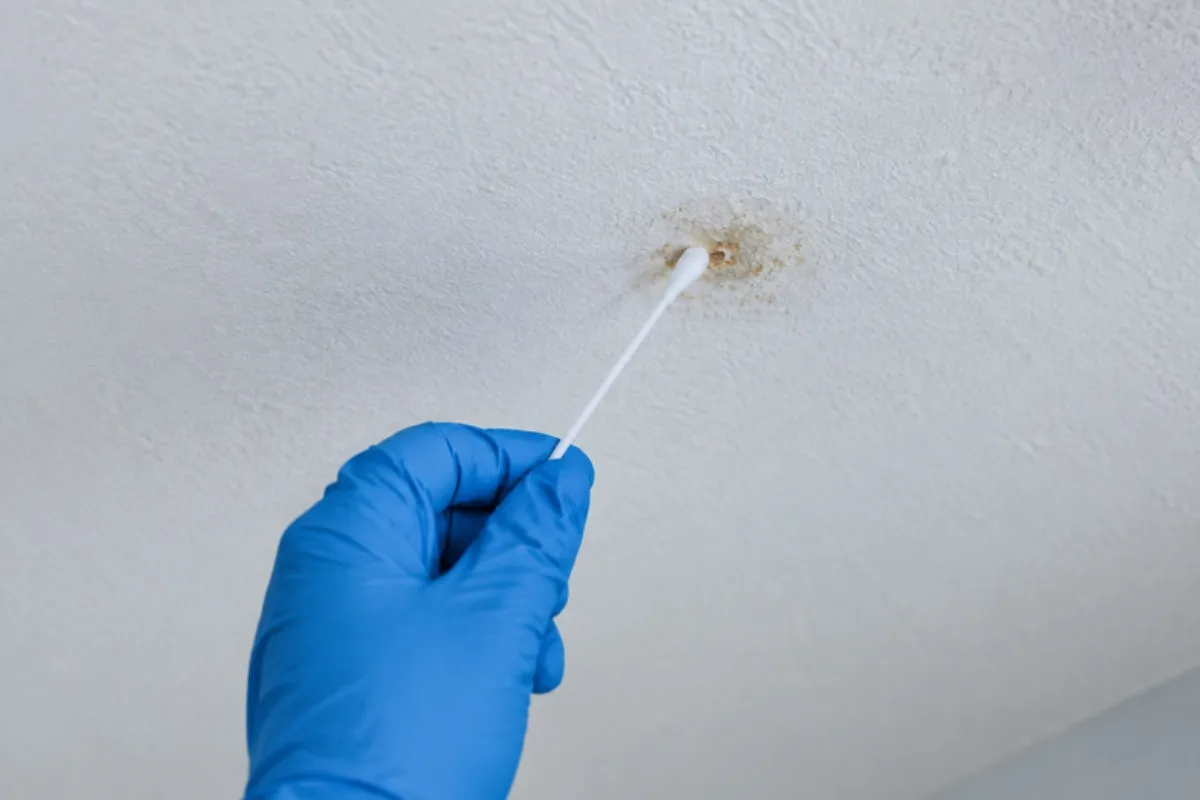
Signs to watch after high water
- A musty smell that returns weeks after the house seemed dry.
- Staining at the bottom of drywall or on baseboards above the old waterline.
- Damp or sagging insulation seen from the crawl space.
- Flooring that cups or lifts as it dries.
Timing
Sample after the drying and removal work is done, not during it, and before insulation and drywall go back in. Angi recommends using a tester who isn't part of the remediation company for that clearance step. The City of Monroe's Permit Center at City Hall handles building permits for rebuilding. Snohomish County adopted updated FEMA flood maps in June 2020, so check the current map before major repairs. Monroe Code Enforcement does not handle tenant-landlord disputes, and the county health department does not test homes for mold.
Keep every record from the flood: photos taken before cleanup, receipts for drying equipment, the remediation scope and the clearance report. Insurers, buyers and future inspectors all ask for that history, and a lab report tied to specific rooms and dates is far more useful than a general note that the house was tested. If a smell comes back the following winter, the earlier results also give the next inspector a baseline to compare against.
Mold Testing questions in Monroe
Do I need a mold test after a flood?
Should I test again after the mold is removed?
What is the difference between air, surface and bulk samples?
Will the county health department test my home for mold?
More mold services in Monroe
Mold Testing nearby
Helpful guides
Sources
- Wikipedia: Monroe, Washington
- Snohomish County: Flood emergency proclamation news release (Dec. 9, 2025)
- Snoho.com: Snohomish River flood tops record level (Dec. 2025)
- Snohomish County Health Department: flood cleanup and mold (Dec. 2025)
- City of Monroe: Permitting
- City of Monroe: Code Enforcement
- Snohomish County: Mapping the Flood Risk
- EPA: Homeowner's and Renter's Guide to Mold Cleanup After Disasters (pdf)
- EPA: Mold Information Slideshow (testing and sampling)
- Angi: How to Hire a Mold Remediation Company (separate testing and remediation)
- Snohomish County Health Department: Mold & Air Quality
Last updated: