In Kent, wall mold on the valley floor can follow Green River high water, while homes on East Hill and West Hill more often get it from plumbing leaks, window leaks and winter condensation. Wet drywall and insulation are removed, framing is cleaned and dried, and the source is fixed before rebuilding. Call the number on this page to be connected with a local mold remediation company in Kent.
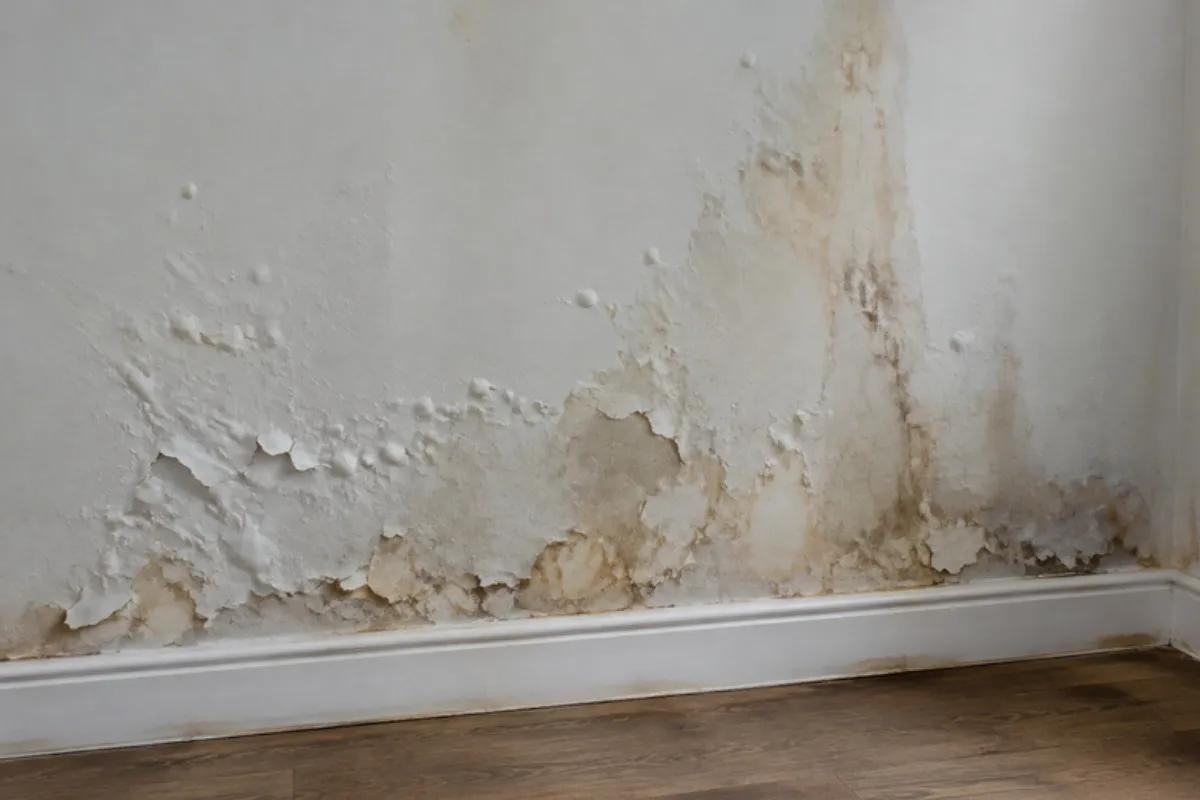
Could my Kent home's walls still be wet from the December 2025 high water?
If water came inside, it's possible. During back-to-back atmospheric rivers that month, the Army Corps stored a record amount of water behind Howard A. Hanson Dam to protect Kent, Auburn, Renton and Tukwila, and warned that sustained high Green River flows kept pressure on the levees. On Dec. 15, 2025, after a levee failed following a week of heavy rain, King County ordered evacuations in parts of Kent, Auburn and Tukwila. Drywall soaks water upward from wherever it touches, and insulation behind it can stay wet for weeks in cold, damp weather. EPA says that if a flooded home couldn't be dried within 24 to 48 hours, assume mold is growing. Moisture readings along the lower walls, taken by a company that can open them if needed, are how you find out.
I live on East Hill or West Hill. Why would my walls have mold?
The valley floor is mostly industrial and commercial, and much of Kent's housing sits up on the East Hill and West Hill plateaus, well away from the river. Wall mold there usually comes from ordinary household water: a supply line behind the washer, a weeping shower valve, a dishwasher drip or an upstairs bathroom leak. Exterior walls add another source. Over a long Puget Sound winter, warm indoor air condenses on cold wall surfaces behind furniture and inside closets, and growth starts where air doesn't move.
Do I need to replace the whole wall?
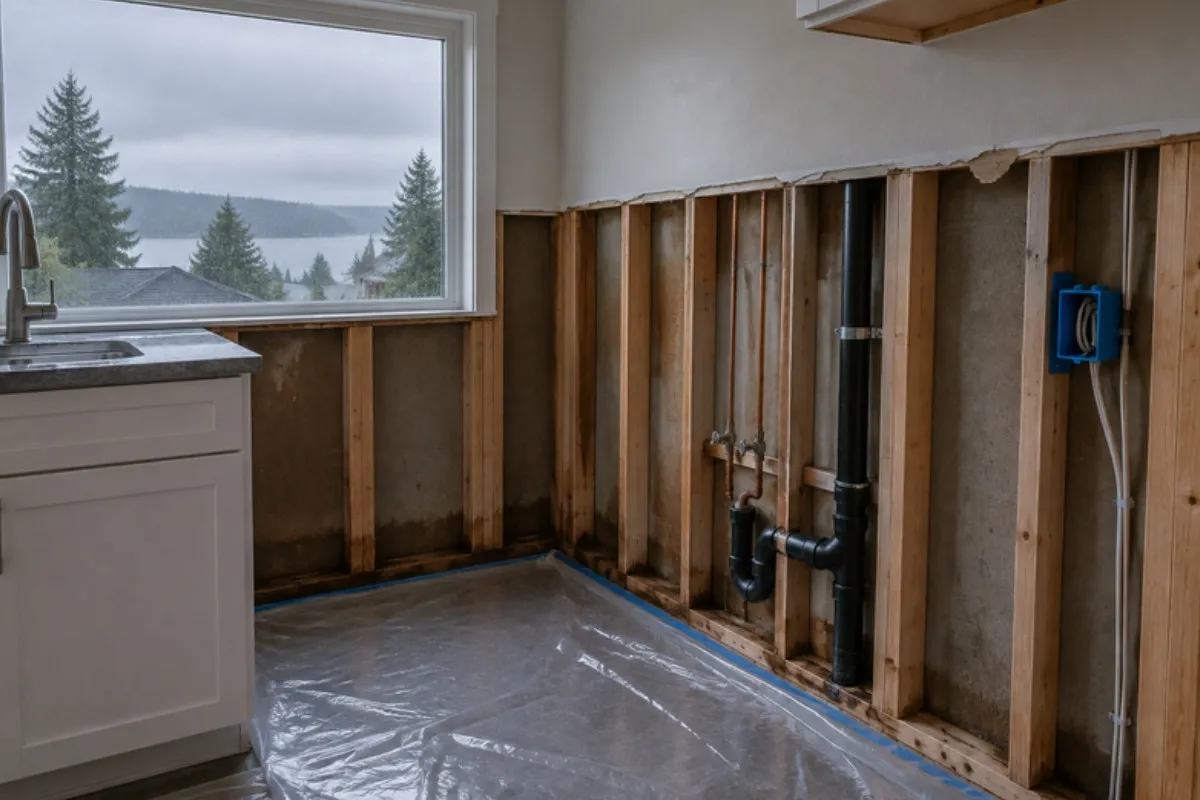
Usually not. Companies cut drywall a margin beyond the wet or moldy area, often in a straight line at a set height so patching is clean. Insulation in that section is typically bagged and replaced. Solid framing gets cleaned and dried; soft or rotted wood gets repaired. Angi's Seattle cost guide reports wall mold jobs at about $825 to $16,550, with drywall replacement around $825 to $2,400, so the size of the cut matters a lot. Rebuilding drywall, insulation or framing can require a building permit, so check with the City of Kent before closing the wall.
A note for Kent homeowners
Kent is about 17 miles south of Seattle, and King County says the lower Green River through the city is at risk of flooding in residential, commercial and industrial areas even with Hanson Dam and the levee system in place. If you live in the valley, keep flood insurance details handy before the next wet season. Whoever opens your walls should be registered with Washington L&I as a construction contractor; check on L&I's Verify a Contractor tool.
Mold in Walls & Drywall questions in Kent
What does it cost to remove mold from inside a wall?
Should the company that removes the mold also test afterward?
Can I cut out a small moldy patch of drywall myself?
Do I need a permit to replace drywall after mold removal?
More mold services in Kent
Mold in Walls & Drywall nearby
Helpful guides
Sources
- Wikipedia: Kent, Washington
- Kent Reporter: Record storage behind Howard Hanson Dam
- Washington Times: Levee fails after week of heavy rain, evacuations ordered in 3 south Seattle suburbs
- King County: Flooding in the Green-Duwamish River watershed
- EPA: Homeowner's and Renter's Guide to Mold Cleanup After Disasters (pdf)
- Angi: How Much Does Mold Remediation Cost in Seattle, WA?
- HomeGuide: How Much Does Mold Removal and Remediation Cost? (2026)
- Angi: How to Hire a Mold Remediation Company (separate testing and remediation)
- L&I: Verify a Contractor, Tradesperson or Business
Last updated: