In Carnation, mildew often follows seasonal flooding on the Tolt and Snoqualmie rivers, and it also builds up in ordinary winters when valley fog and rain keep homes damp. Hard surfaces with light growth can be cleaned, but drywall, insulation or carpet that soaked in floodwater usually has to come out. Call the number on this page to be connected with a local mold remediation company in Carnation.
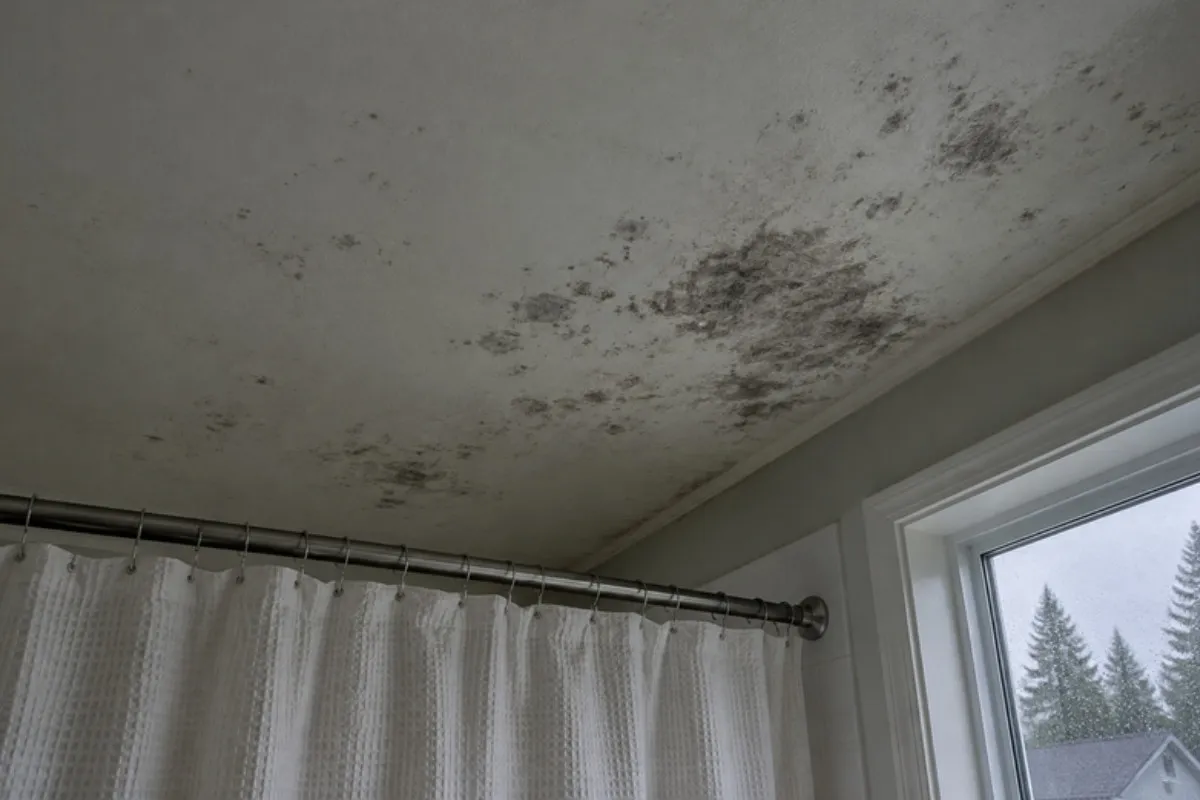
Valley conditions that feed mildew
Carnation is a small Snoqualmie Valley city about 20 miles east of Seattle, at the confluence of the Snoqualmie and Tolt rivers between Duvall and Fall City. The city says both rivers flood seasonally here, from winter rain and from spring snowmelt combined with rain, and FEMA maps show the floodway plus the 100-year and 500-year floodplains. The January 2009 flood breached a levee on the Tolt River, and King County later bought out at-risk homes along SR 202. During the December 2025 atmospheric river, the lower Snoqualmie reached its flood of record at the Carnation gage, and SR 203 closed between the Fall City roundabout and NE Tolt Hill Road.
When floodwater gets into a house, mildew shows up fast on walls, baseboards, furniture and anything stored low. Even homes that stay dry deal with the valley's long wet season: fog, steady rain and short days keep walls and windows cold and indoor air heavy. If cleanup leads to new drywall or framing, permit applications go through the City of Carnation Planning & Permits Online Permit Center.
Clean or replace?
| Material | Light surface mildew, no flooding | Soaked by floodwater |
|---|---|---|
| Tile, glass, metal, sealed counters | Clean with detergent and water, dry fully | Clean and dry; usually salvageable |
| Painted drywall | Clean if firm and dry behind | Usually cut out above the water line |
| Carpet and pad | Clean and dry quickly | Usually thrown away |
| Insulation | Check for dampness | Replace |
| Upholstered furniture | Spot clean, air out | Often not worth saving |
EPA says that if a flooded home couldn't be dried within 24 to 48 hours, you should assume mold is growing, and that porous materials such as carpet and ceiling tile may have to be discarded.

Signs
- Spotting that starts at the floor and climbs walls after high water
- Musty odor in a room that was closed during an evacuation
- Bloom on wooden furniture legs, drawers and stored boxes
- Condensation and black specks on windows through the winter
Timing
River season runs from late fall into spring, so mildew after a flood often appears while the weather is still too damp for walls to air dry. Start drying as soon as it is safe to enter, keep heat running, and schedule cleanup before finishes go back on. Late summer, when the valley is driest, is the best window for repainting and replacing trim once moisture readings are down.
Mold & Mildew Cleanup questions in Carnation
What should I do about mildew after floodwater came inside?
Should mildewed carpet, curtains or ceiling tiles be thrown out?
Does homeowners insurance cover mildew cleanup?
How much mildew can I clean up myself?
More mold services in Carnation
Mold & Mildew Cleanup nearby
Helpful guides
Sources
- Wikipedia: Carnation, Washington
- City of Carnation: Flooding Information
- King County: Flooding in the Snoqualmie and South Fork Skykomish watershed
- Snoqualmie-Skykomish December 2025 Flood Overview (pdf)
- KIRO 7: SR 203 closed between Carnation and Fall City due to flooding
- City of Carnation: Planning & Permits
- EPA: Homeowner's and Renter's Guide to Mold Cleanup After Disasters (pdf)
- EPA: Mold Cleanup in Your Home
Last updated: